

Metal surfaces are widely used across residential, commercial and industrial properties in Mauritius. Gates, railings, structural steel, metal frames and other exposed components all require suitable protection to remain in good condition.
Using anti-rust paint is one way to limit corrosion, but effective protection depends on more than the final coat of paint. The metal’s condition, surface preparation, primer or coating system, application and maintenance all affect painted surface performance.
This is particularly important in Mauritius, where humidity in the atmosphere can contribute to metal corrosion.
Why Metal Corrosion Is a Concern in Mauritius
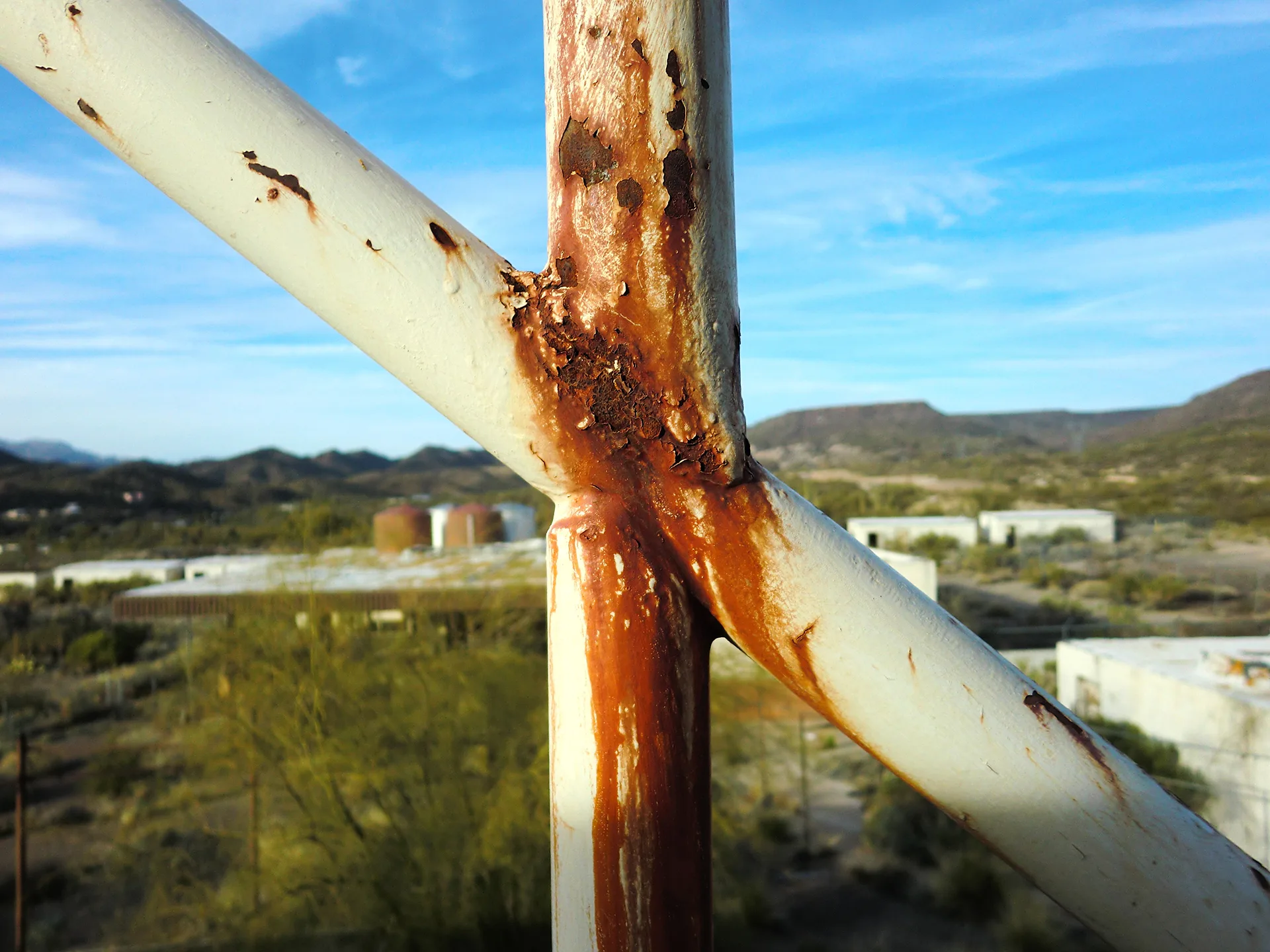
Rust is a form of corrosion that develops when iron or steel reacts with oxygen and moisture. Once corrosion starts, it can gradually affect the surface. If allowed to progress, it can also damage the metal itself.
Mauritian conditions make corrosion control particularly relevant.
Research into atmospheric corrosion of carbon steel in Mauritius has found that corrosion rates vary according to environmental conditions. Salinity and relative humidity are both important factors. Marine aerosols can increase corrosion in exposed locations, while high relative humidity can also influence corrosion further inland.
This means metal protection should not be considered only for properties directly beside the sea. The exposure conditions of each site need to be considered when selecting a coating and maintenance approach.
What Does Anti-Rust Paint Do?
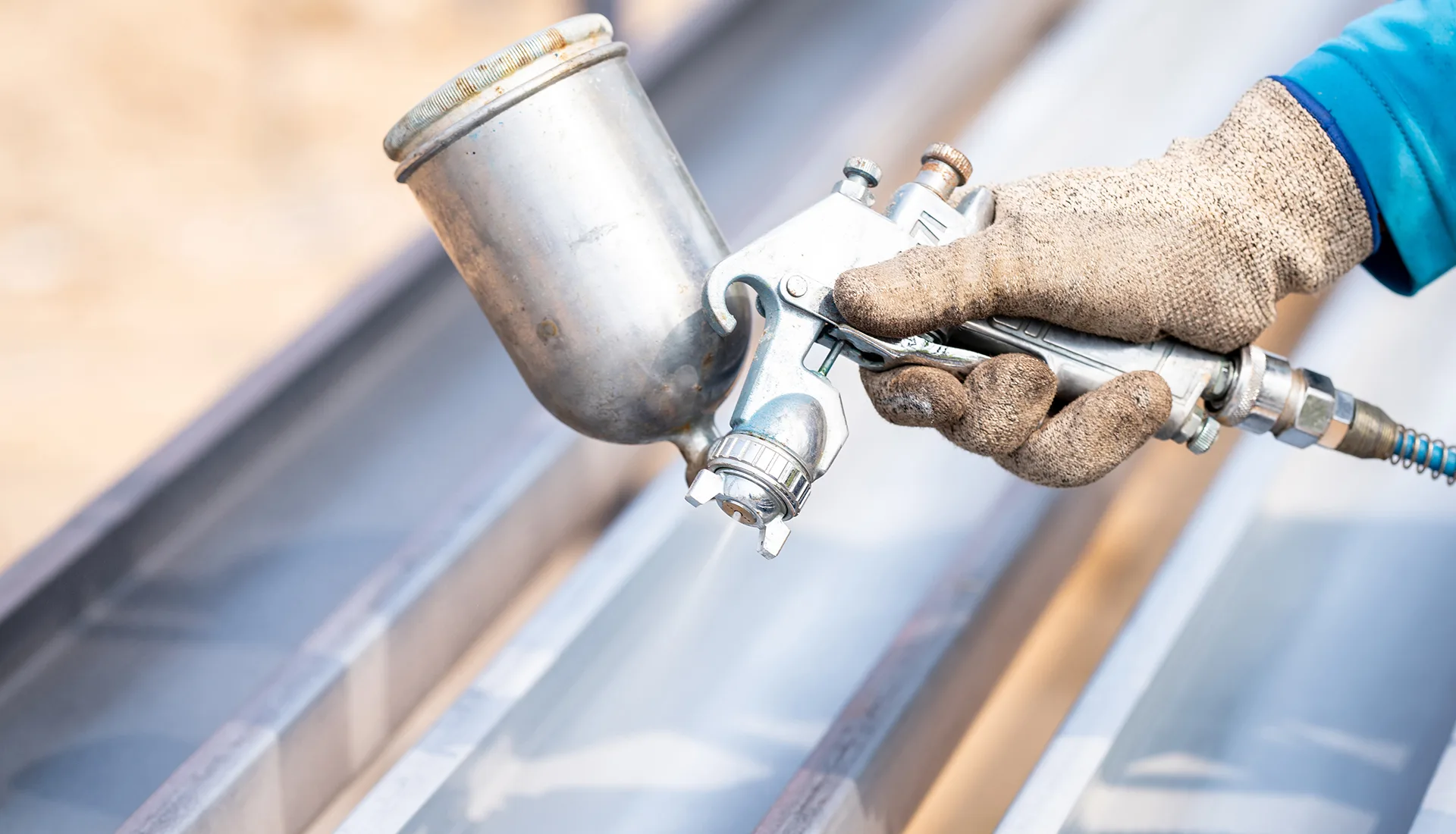
Anti-rust paint forms part of a protective coating system designed to reduce direct exposure of the underlying metal to conditions that promote corrosion.
Depending on the surface and coating specification, the system may include surface preparation, a suitable primer and one or more finishing coats.
The purpose is to create a continuous protective barrier while providing the required finish.
However, simply applying paint over a corroded or poorly prepared surface is unlikely to provide the same result as a properly prepared coating system. Existing rust, grease, loose paint and other contaminants can interfere with adhesion.
For this reason, PND’s metal painting service assesses the metal surface before determining the appropriate preparation and coating method.
Why Surface Preparation Matters Before Anti-Rust Paint
Surface preparation is one of the most important stages of metal painting.
A coating needs a suitable surface to adhere correctly. Painting directly over loose rust, dirt or failing coatings can leave weaknesses beneath the new finish.
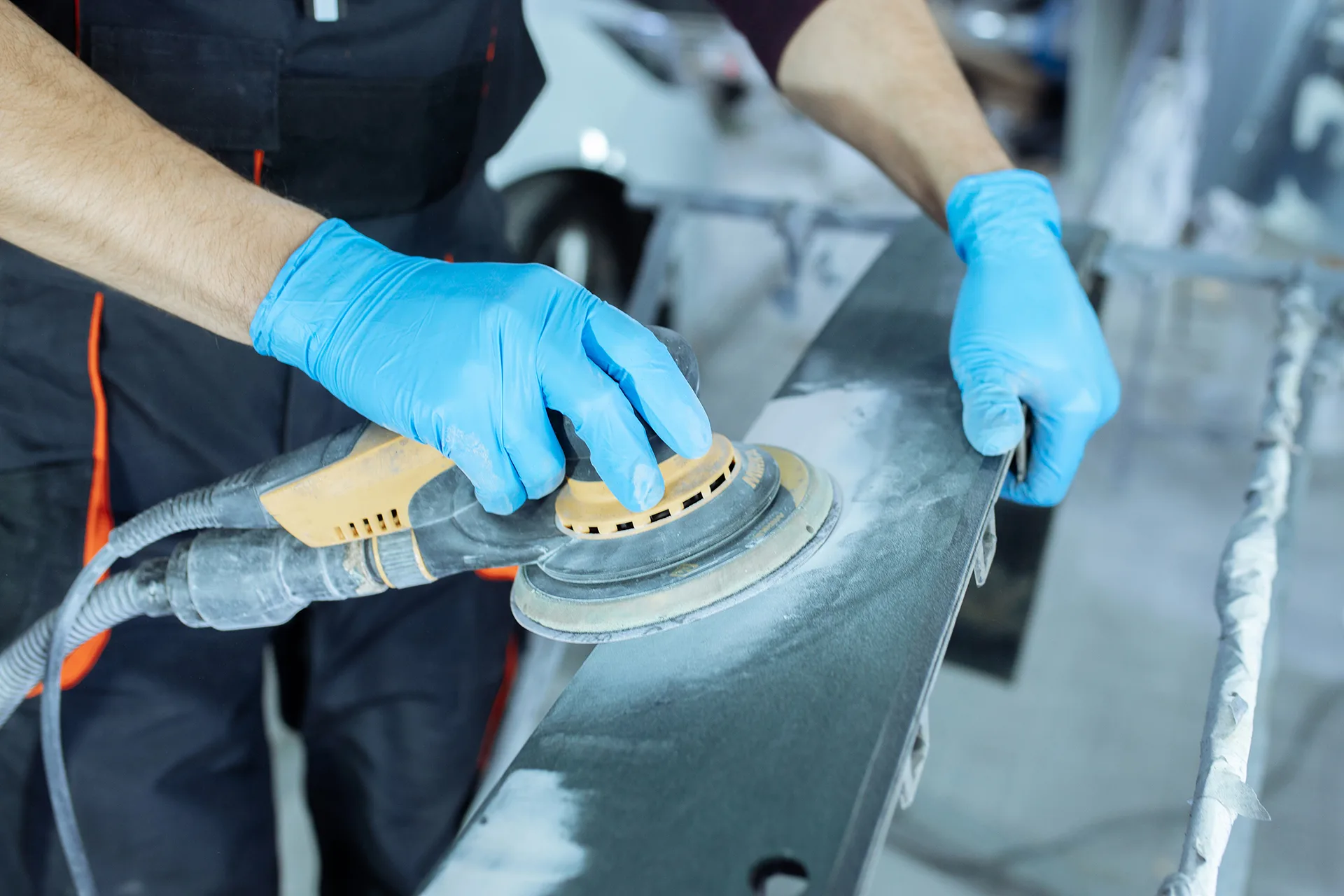
Preparation varies according to the metal and its condition. PND’s metal painting process may involve:
- Degreasing to remove oils and contaminants
- Sanding to remove loose material and prepare the surface
- Etching where appropriate for the type of metal
- Priming to prepare the substrate for the selected coating system
Not every metal surface requires exactly the same treatment. New metal, previously painted steel and surfaces with established corrosion may each need a different preparation method.
An initial assessment helps determine what work is required before painting begins.
Anti-Rust Paint and Rust Treatment Are Not the Same
It is useful to distinguish between rust treatment and anti-rust paint.
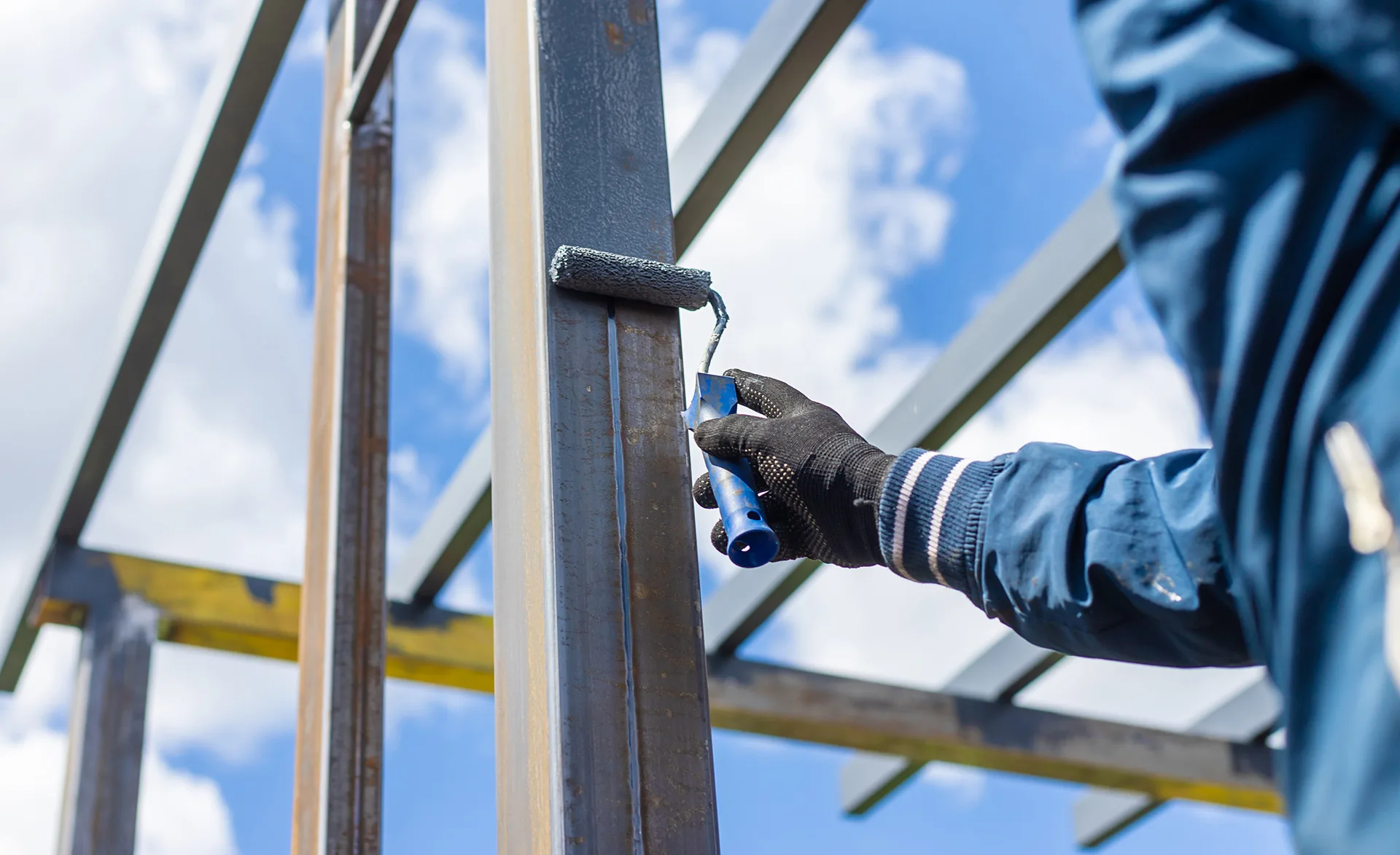
Rust treatment deals with corrosion that is already present. Anti-rust paint or an anti-corrosion coating is used as part of the protective system intended to limit further exposure.
Where corrosion already exists, the affected surface should first be assessed. Loose rust and deteriorated coatings generally need to be addressed before a new coating system is applied.
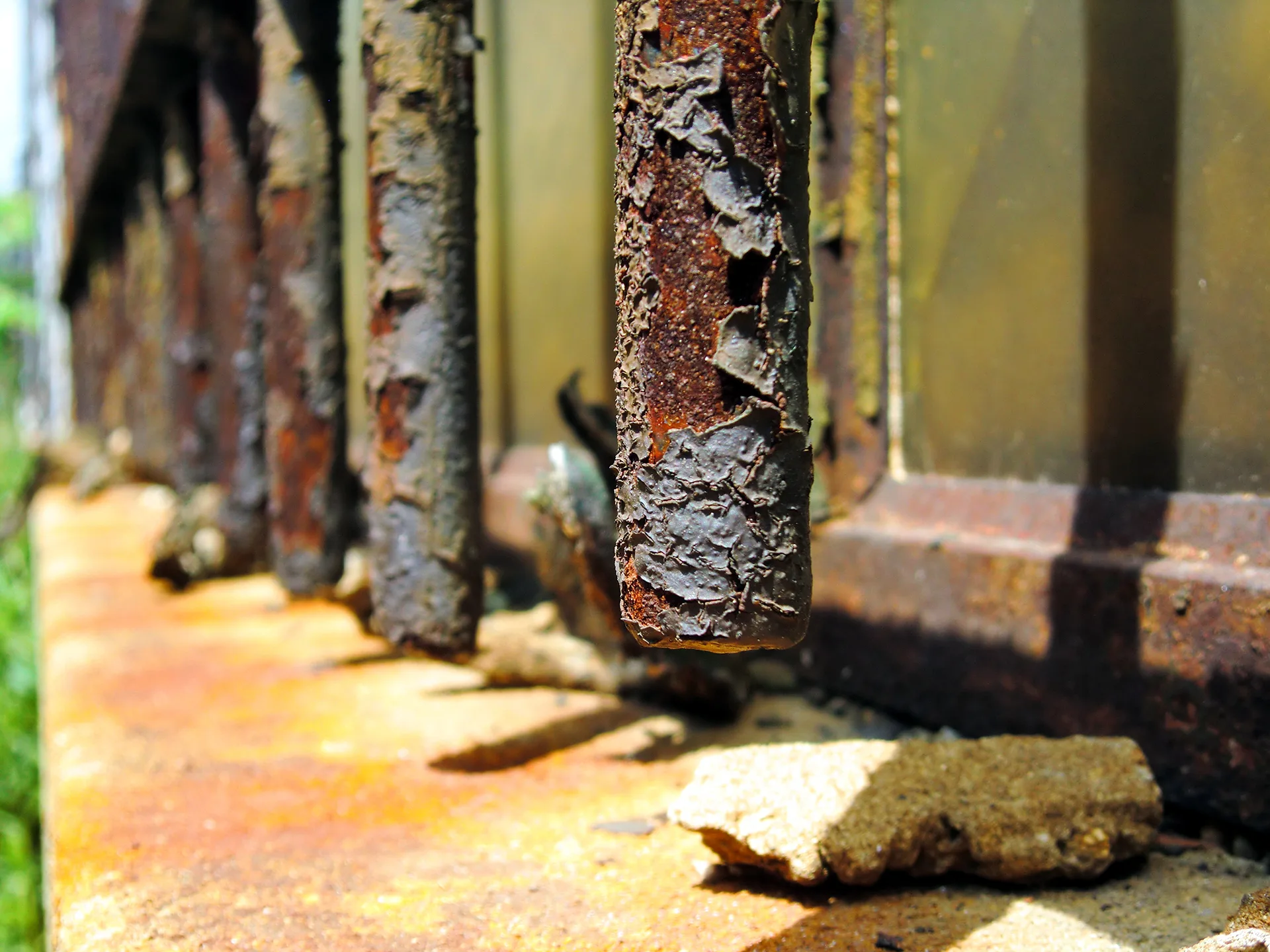
The extent of corrosion also matters. Surface rust and more advanced deterioration are not equivalent problems. If corrosion has caused significant loss of metal or affected an important structural component, simply repainting the surface may not address the underlying condition.
This is why inspection should come before deciding on the appropriate treatment.
How to Protect Metal from Rust
In practice, effective rust prevention involves several stages rather than a single product.
1. Assess the Metal and Its Environment
Start by identifying the type and condition of the metal.
The location also matters. Exterior metalwork exposed to frequent rain, high humidity or airborne salts may require a different coating specification from protected interior metalwork.
2. Remove Contamination and Unstable Material
The surface should be prepared according to its condition. Dirt, grease, loose paint and unstable corrosion can prevent the coating from bonding correctly.
Preparation therefore creates the foundation for the layers that follow.
3. Use the Appropriate Primer and Coating System
Different substrates and exposure conditions require different products.
The selected primer should be compatible with the metal and the finishing system. The topcoat then provides the required protective and visual finish. The appropriate coating system will depend on the type and condition of the metal.
4. Apply the Coating Correctly
Even a suitable anti-corrosion paint needs correct application.
Coverage should be continuous, and the coating system should be applied according to the relevant product requirements. Particular attention may be required around edges, joints, welds and other areas where water can collect or the coating may be more vulnerable.
5. Inspect the Surface Over Time
Protective paint is not permanent.
Exposure, physical damage and normal ageing can eventually affect a coating. Periodic inspections make it easier to identify deterioration before corrosion spreads beneath the surrounding paint.

Signs That Painted Metal Needs Attention
Corrosion is easier to manage when deterioration is identified early.
Useful warning signs include:
- Orange or brown rust appearing through the coating
- Bubbling or blistering paint
- Peeling or flaking
- Cracks or breaks in the coating
- Exposed bare metal
- Corrosion developing around joints, edges or fasteners
Small areas of coating damage should not automatically be ignored because the rest of the surface still looks intact. Once bare steel is exposed to moisture and oxygen, corrosion can begin locally and spread.
Regular visual inspection is therefore an important part of metal maintenance.
Where Is Anti-Rust Protection Commonly Needed?
Protective metal coatings can be used in many parts of a property.
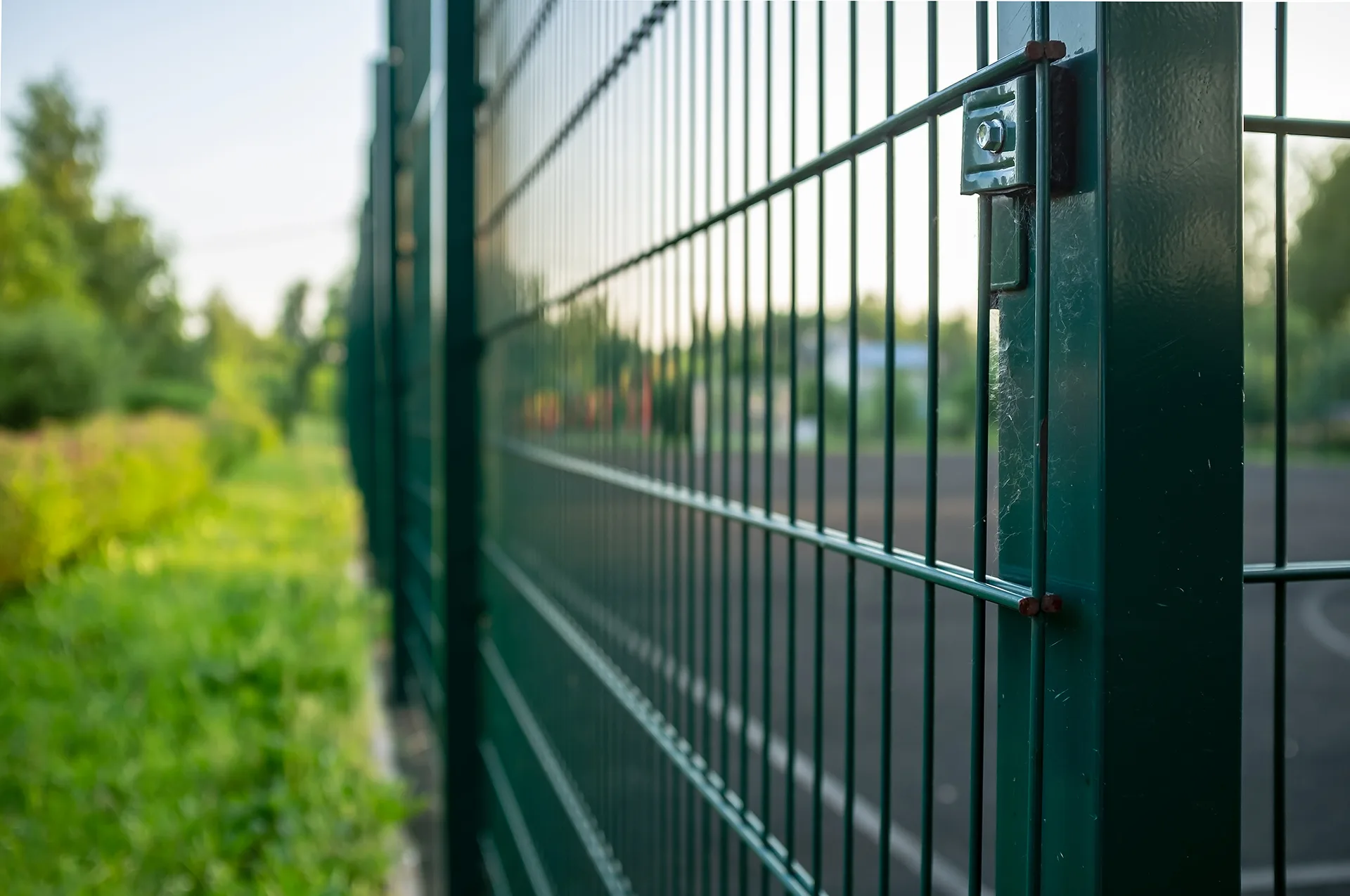
Typical applications include gates, fences, railings, staircases, frames, structural steel and other exposed metal components.
Commercial and industrial sites may also contain larger steel structures and equipment that require planned coating maintenance.
The correct approach depends on the substrate, existing coating, level of corrosion and environmental exposure. There is no single paint system that is appropriate for every metal surface.
How Often Should Metal Surfaces Be Repainted?
There is no universal repainting interval for metal.
The useful life of a coating depends on factors such as:
- Surface preparation
- Type of coating system
- Quality of application
- Exposure to moisture and salts
- Physical wear or impact
- Condition of the existing metal
- Ongoing maintenance
For this reason, repainting should be based on the condition of the coating rather than a fixed number of years.
Regular inspection can identify small coating failures before larger areas require treatment. Early maintenance may also reduce the amount of preparation required later.
Professional Metal Painting in Mauritius
Protecting metal involves more than choosing a tin labelled “anti-rust”.
The substrate must first be assessed and prepared correctly. A compatible coating system can then be selected according to the metal, its existing condition and its exposure.
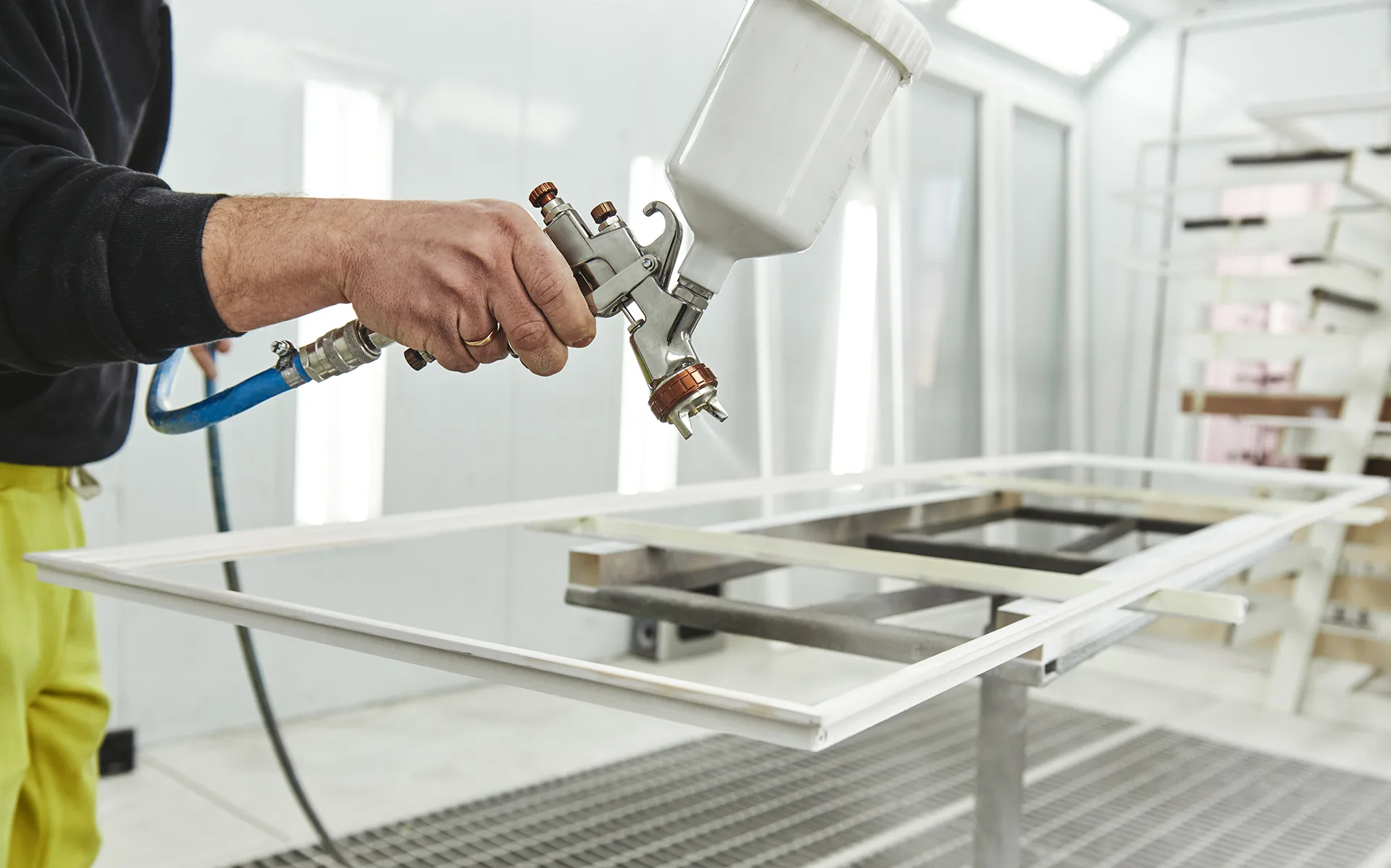
PND provides metal painting services for residential, commercial and industrial applications in Mauritius. Its process begins with an evaluation of the metal surface, followed by preparation such as degreasing, sanding or etching where appropriate, priming and application of the selected metal paint.
A structured approach to preparation, coating and maintenance helps limit corrosion while maintaining the appearance and condition of metal surfaces over time.

Frequently Asked Questions
Does anti-rust paint stop existing rust?
Anti-rust paint is primarily part of a protective coating system. Existing corrosion should be assessed and the surface prepared before applying a new coating. Painting directly over loose or unstable rust can affect adhesion and coating performance.
How can you prevent rust on metal?
Rust prevention generally involves keeping the metal protected from moisture and other corrosive conditions through appropriate surface preparation, primers, protective coatings and regular maintenance.
Can metal rust away from the coast in Mauritius?
Yes. Research on carbon steel corrosion in Mauritius indicates that relative humidity can influence corrosion in inland environments, while salinity is particularly important in marine exposure conditions.
Should rust be removed before painting metal?
Loose rust and unstable material should be dealt with as part of surface preparation. The exact method depends on the metal, extent of corrosion and coating system being used.
When should painted metal be inspected?
There is no single inspection interval suitable for every application. Metal exposed to demanding conditions should be checked periodically, particularly for rust spots, blistering, peeling, cracks or areas of exposed metal.