

Quick answer: Most concrete problems, including cracks, spalling, and surface wear, can be fixed with targeted concrete repair rather than a full replacement.
Replacement only becomes necessary when damage runs through most of the concrete section or when reinforcing steel has corroded beyond saving. A proper inspection is the only reliable way to know which one your property needs.
Concrete does not fail overnight. It cracks, chips, and weakens gradually, often years before an owner notices a real problem. At that point, the question becomes practical: repair the concrete or replace it entirely? For property owners in Mauritius, this decision affects budget, timeline, and the long-term safety of the structure.
This guide breaks down when concrete repair makes sense, when replacement is the better route, and how professional concrete contractors approach the decision.
Why This Decision Matters
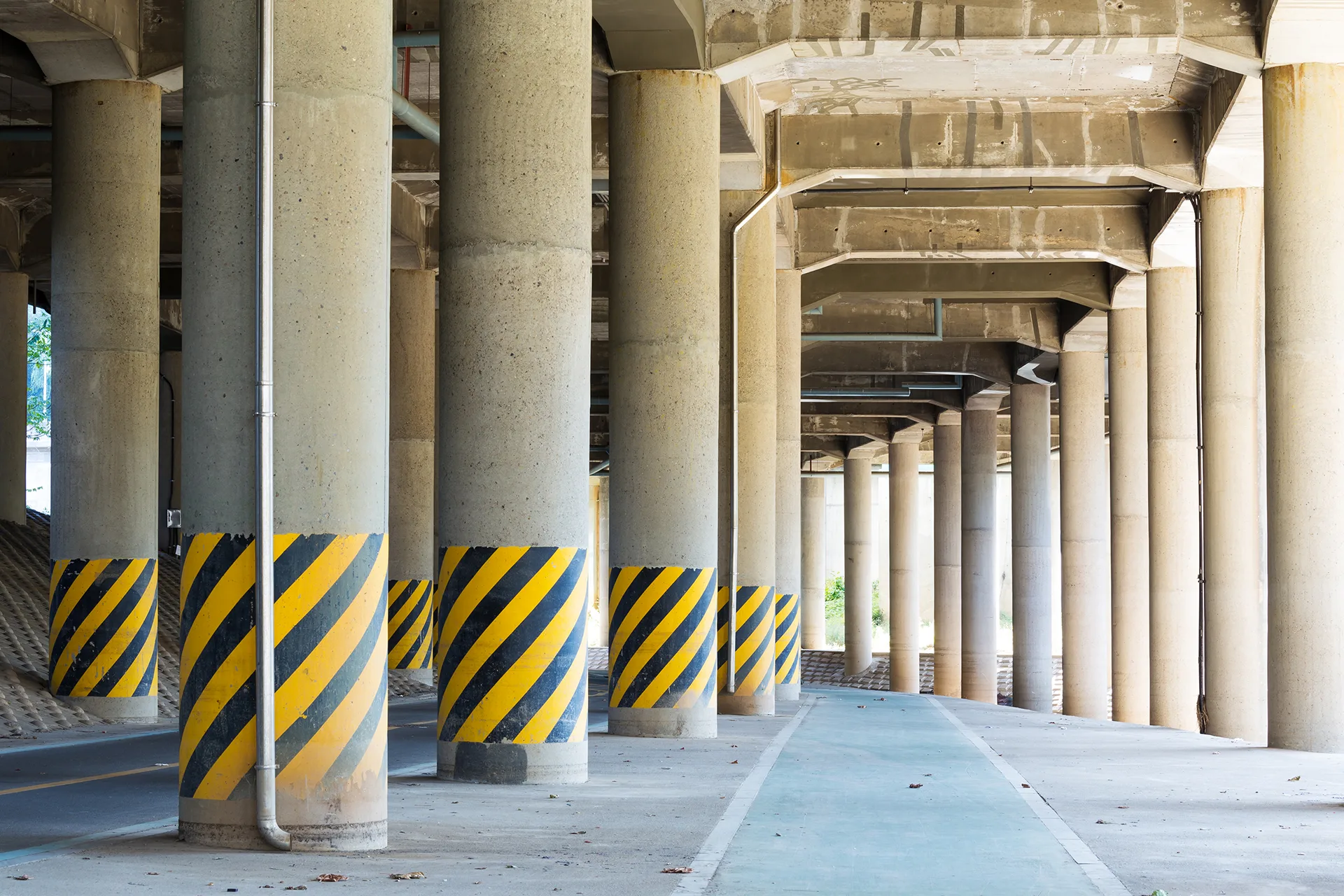
Concrete supports the weight of everything above it, from residential slabs to industrial floors and multi-storey buildings. Getting the decision wrong in either direction has a cost. Repairing a structure that has lost too much load-bearing capacity is a short-term fix that will likely fail again. Replacing concrete that only needed a targeted repair wastes money and creates unnecessary disruption to a property or business.
The right answer depends on three things: the extent of the damage, the cause behind it, and the role that section of concrete plays in the overall structure. This is why a proper assessment by experienced concrete contractors in Mauritius should always come before any work begins.
Signs Your Concrete Needs Attention
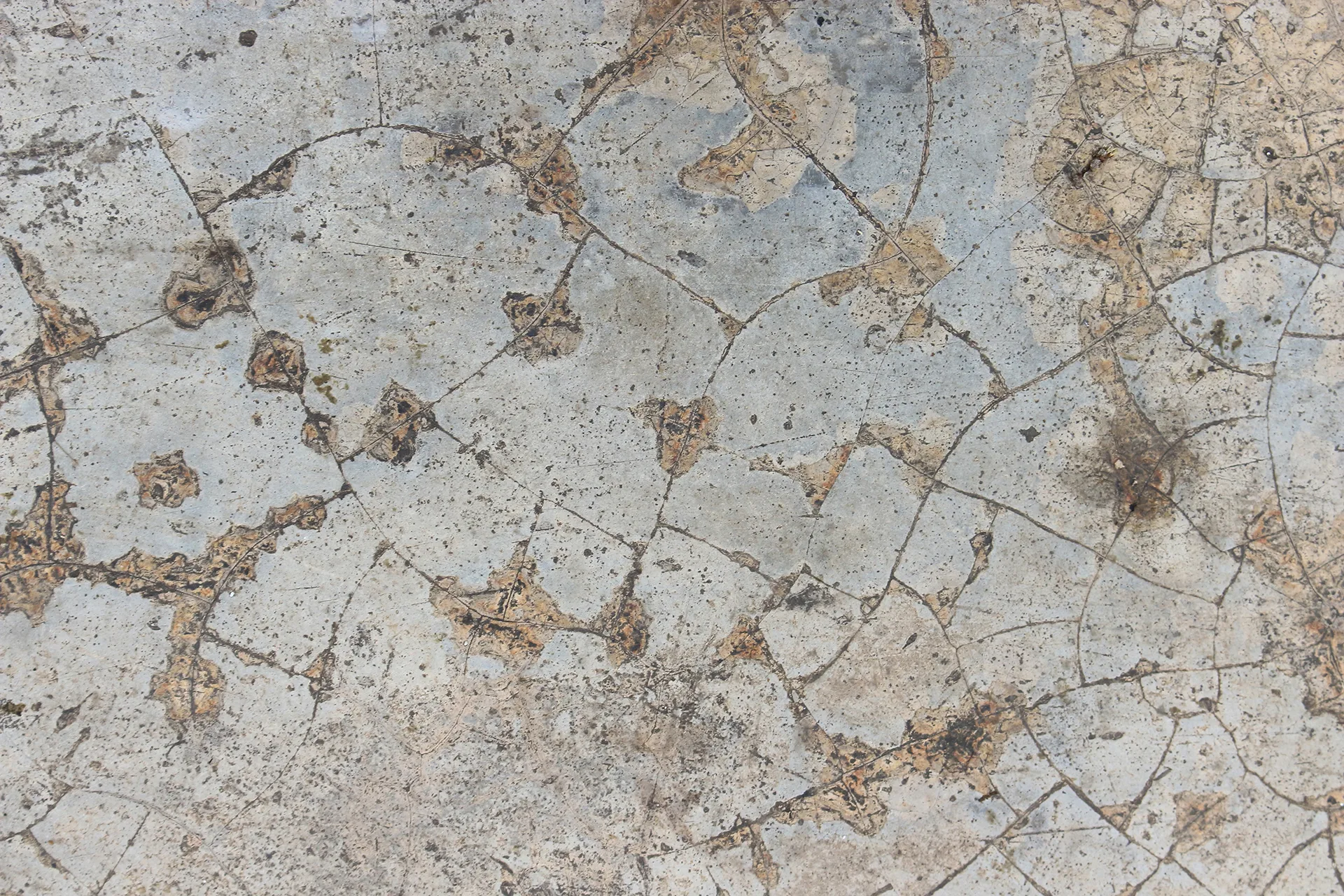
Before choosing between repair and replacement, it helps to know what to look for. Watch for:
- Visible cracks running across concrete surfaces
- Spalling, where the surface flakes or chips away
- Uneven or sunken sections
- Exposed or corroded steel reinforcement
- Water pooling or seeping through a slab that used to be watertight
These issues tend to worsen if left unaddressed, and cracks deserve particularly close attention. A hairline crack on a decorative concrete driveway is a different problem from a structural crack running through a load-bearing beam or column. Knowing that difference is central to choosing the right solution, and it is not always obvious from a visual check alone.
When Concrete Repair Is the Right Choice
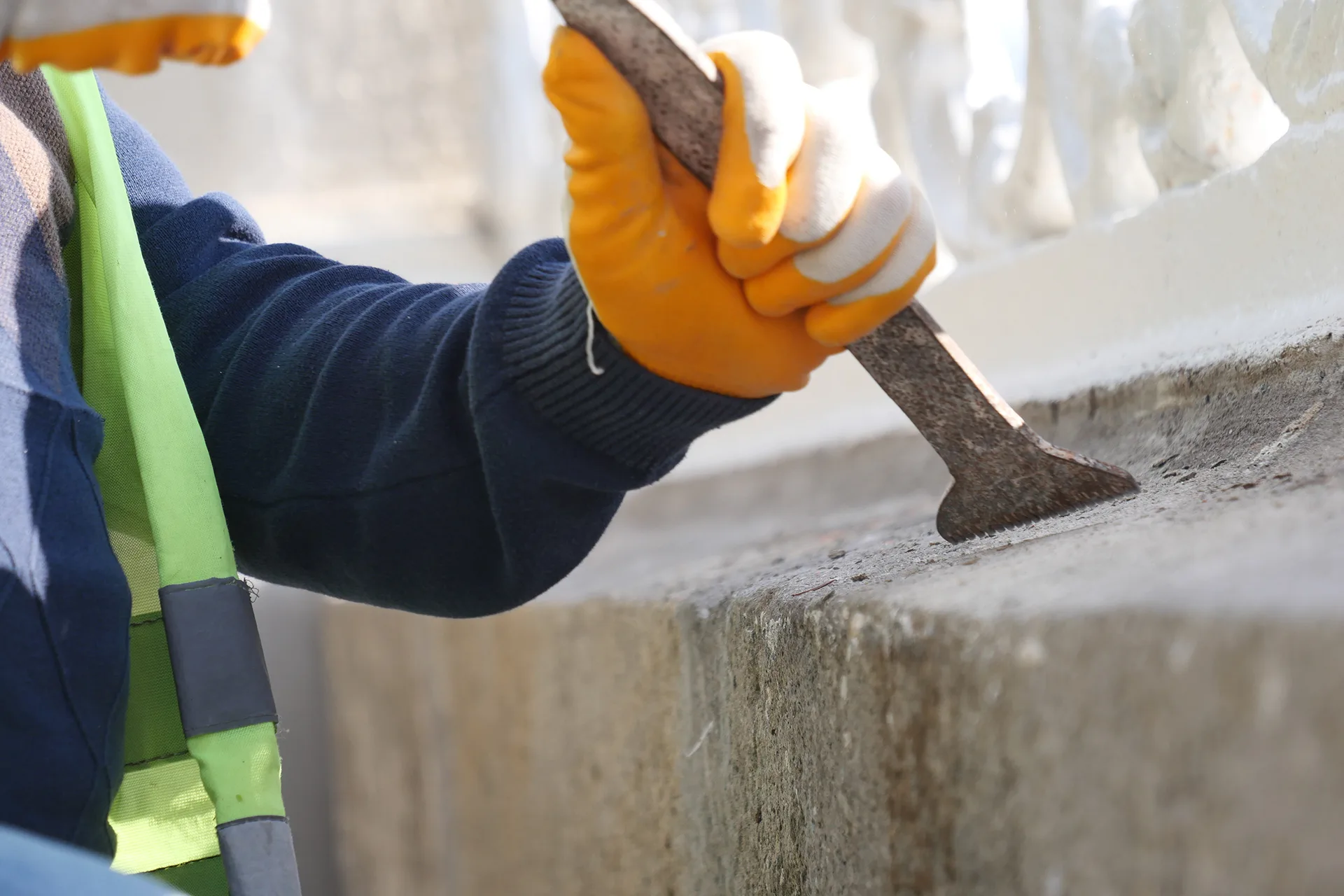
In most cases, repair is the preferred route, provided the core structure remains sound. Concrete repair addresses cracks, structural damage, and surface deterioration without the cost and disruption of a full replacement. Several proven methods fall under this category.
Concrete Crack Repair Through Injection
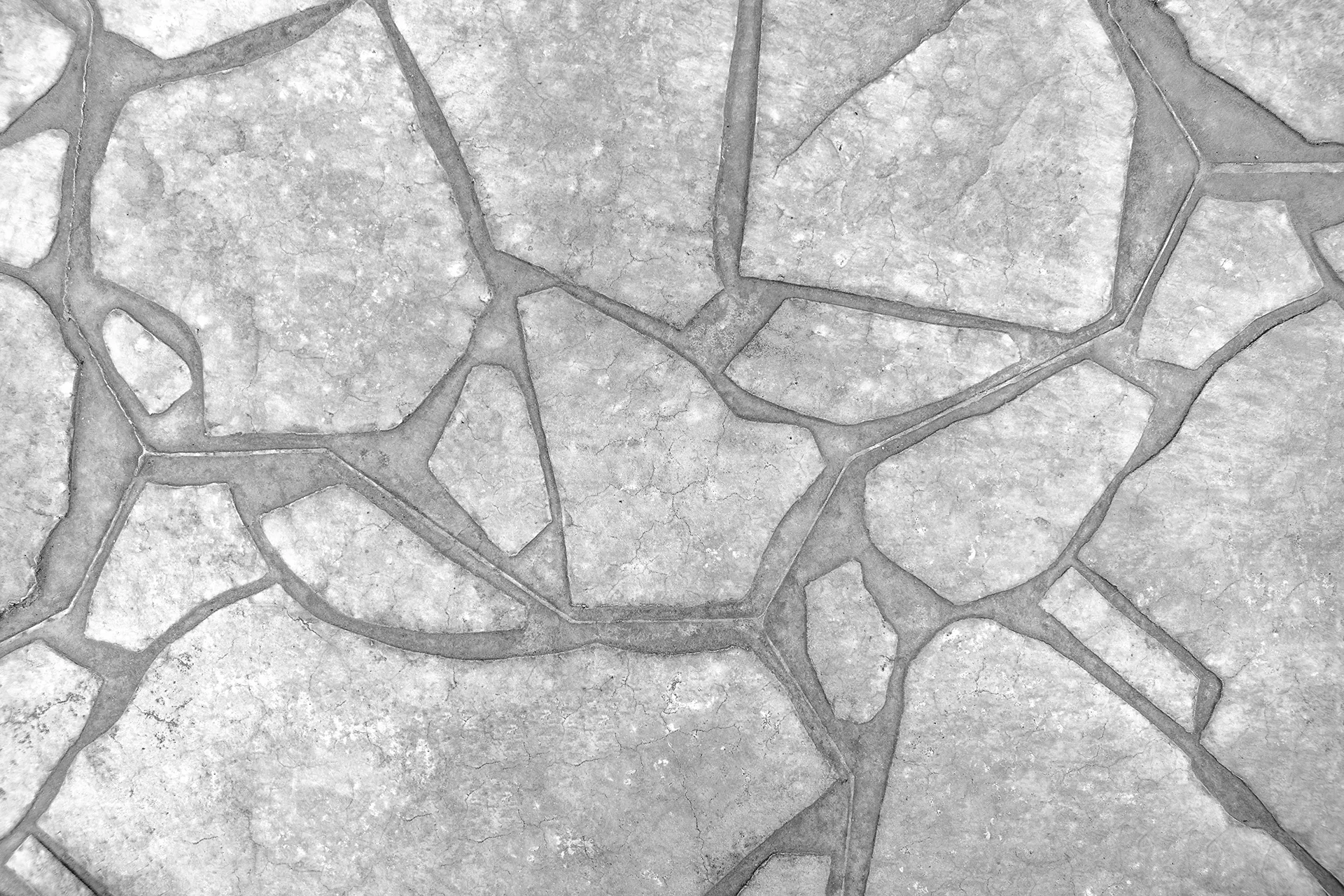
Crack injection seals and reinforces cracks by introducing specialised resins directly into the fracture. This stops water ingress and halts further structural damage. It works on both hairline fractures and larger cracks, and it is commonly used on industrial buildings, bridges, and parking areas. Because the process seals and binds the crack rather than removing large sections of material, it is generally more cost-efficient than extensive structural work.
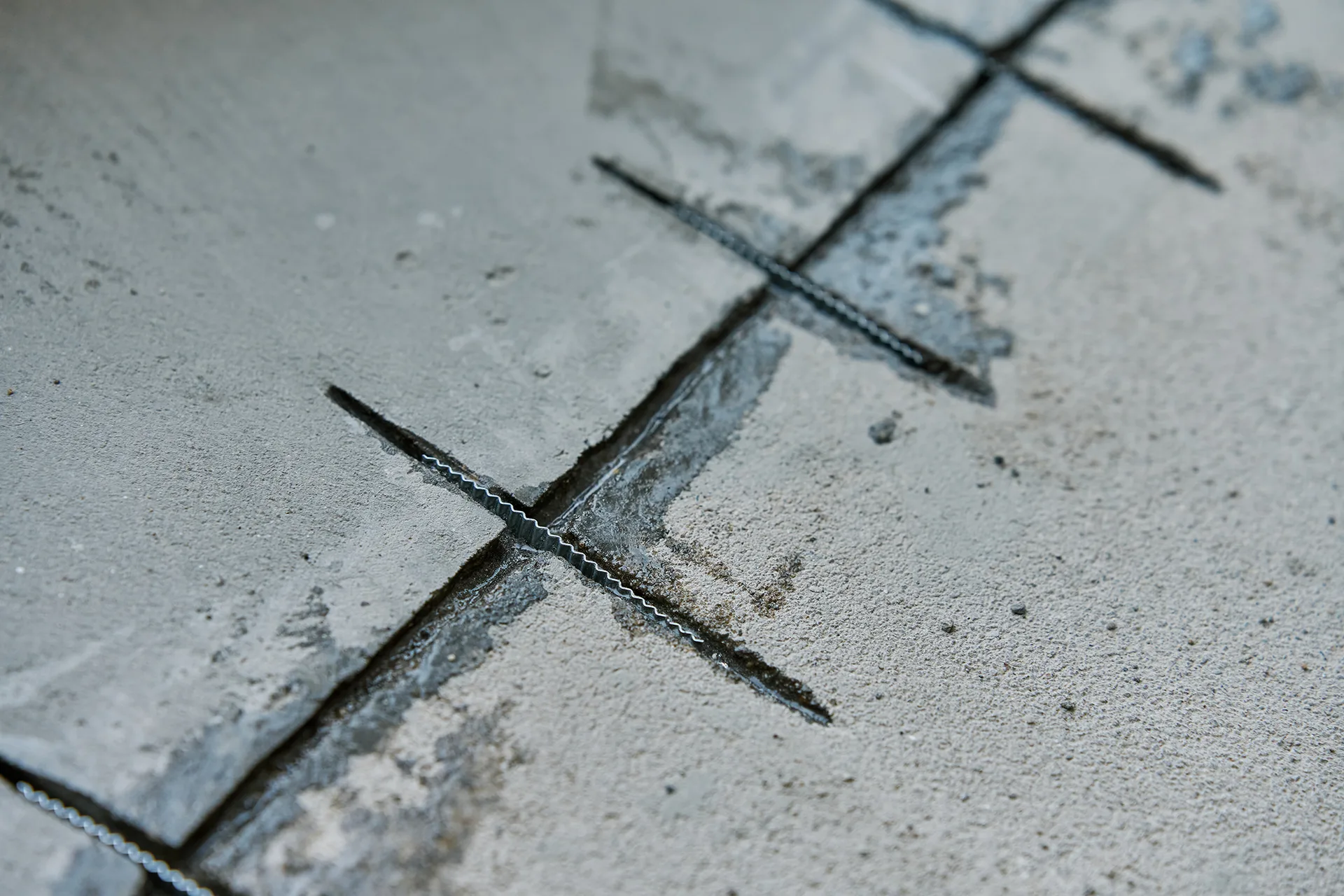
Concrete Crack Stitching
Crack stitching uses metal staples installed across a crack to stabilise it and restore tensile strength across the surrounding concrete. It is frequently applied to driveways, bridges, and industrial floors, where a crack needs reinforcing rather than simply filling. This technique addresses both the visible crack and the underlying movement causing it, which reduces the chance of the crack reopening. It is also a relatively fast process, which suits properties that need to stay in use during repairs.
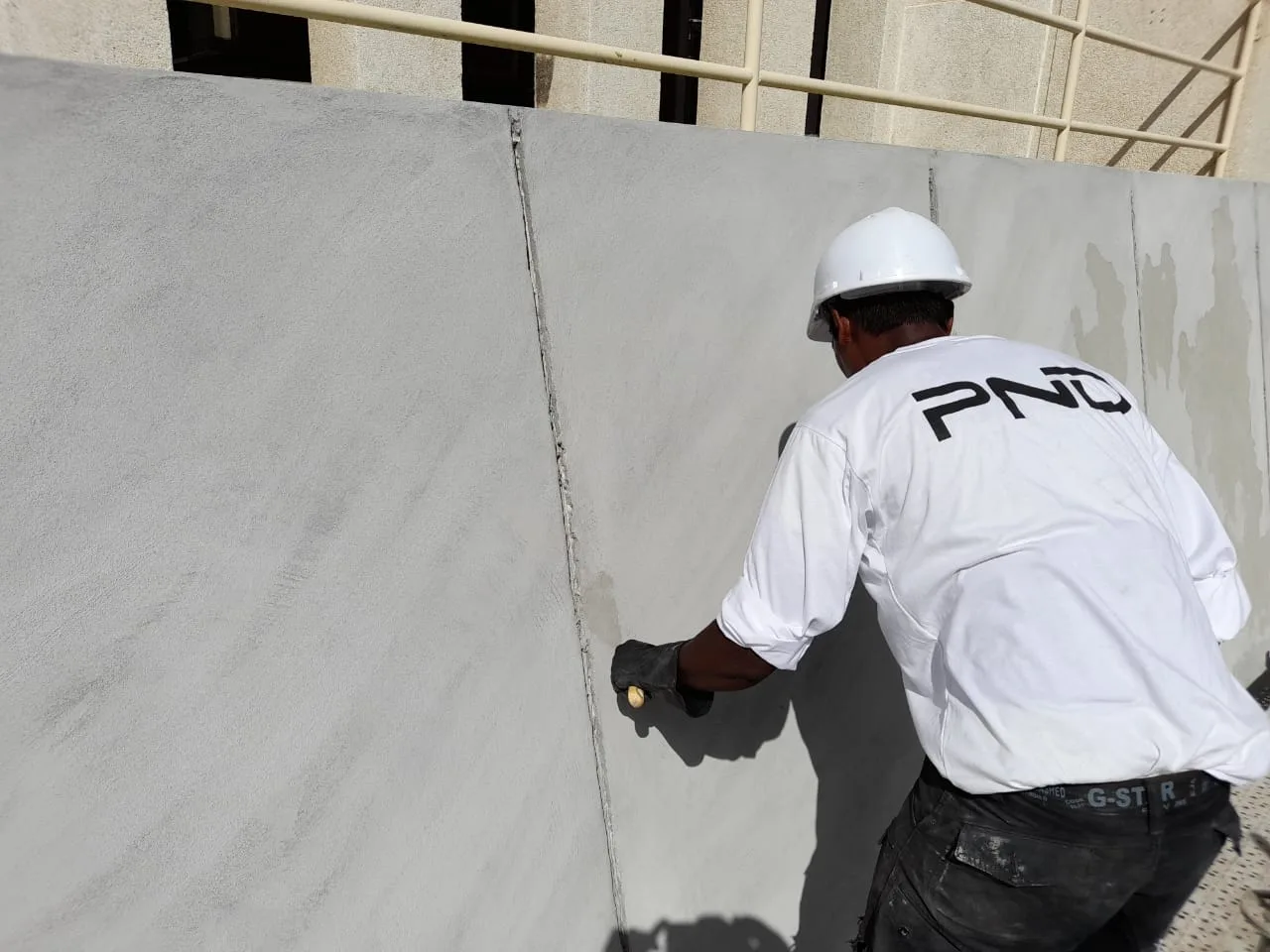
Damaged Concrete Repairs
For cracks, spalling, and general wear affecting roofs, beams, and columns, damaged concrete repair restores the original strength and function of the surface. The process typically starts with a consultation and inspection, followed by removing loose or broken material and applying repair compounds in thin layers to rebuild the damaged section. Good repair and protection work also targets the underlying cause so the damage does not return, while improving the appearance of the surface, which matters for commercial or public-facing properties.
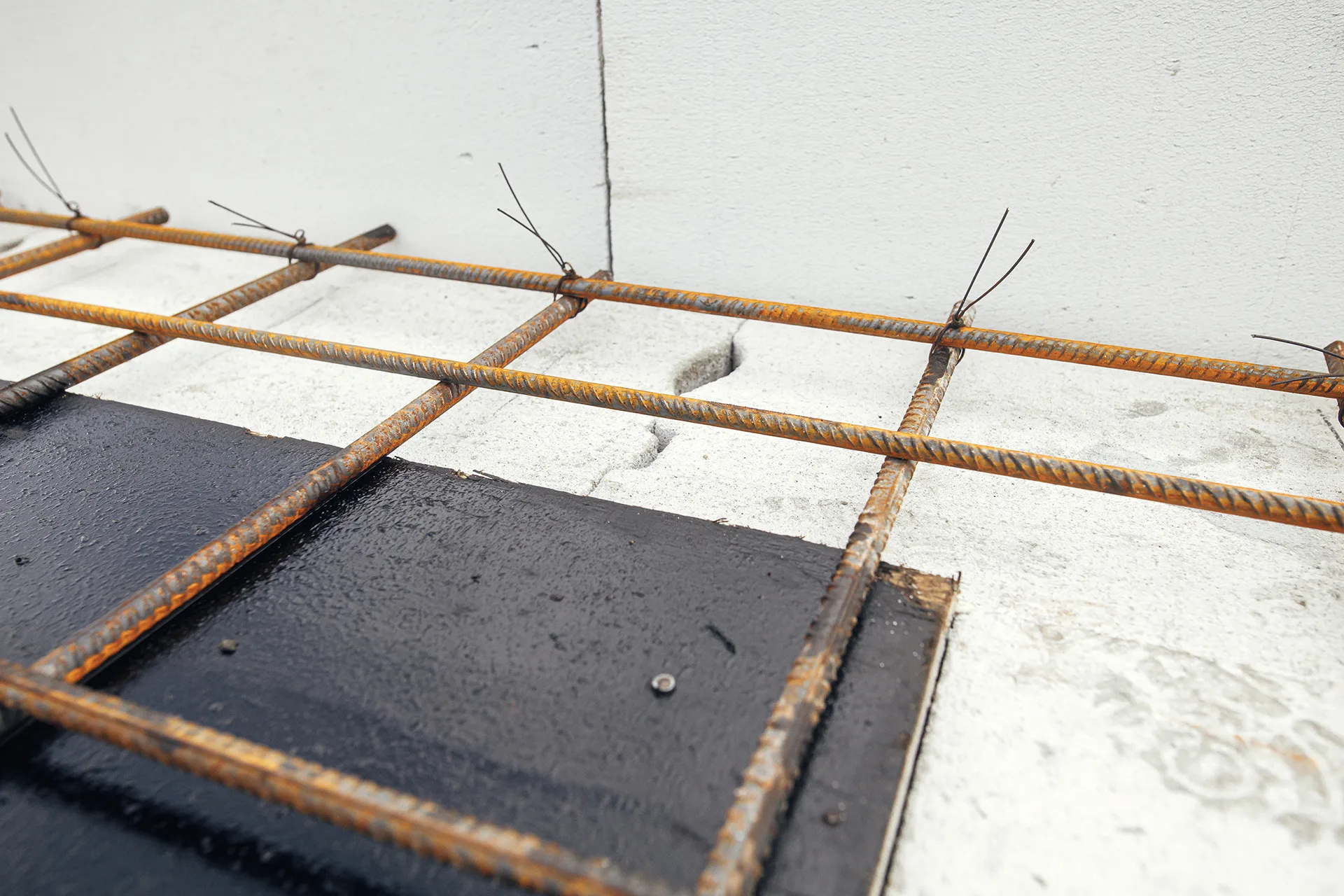
Structural Concrete Repair in Mauritius With Steel Reinforcement
When concrete has lost load-bearing capacity, new steel can be embedded to restore strength. This structural concrete repair method increases resistance to cracking caused by temperature changes or ground movement. It requires more upfront investment than a simple patch, but it reduces how often repairs are needed over time.
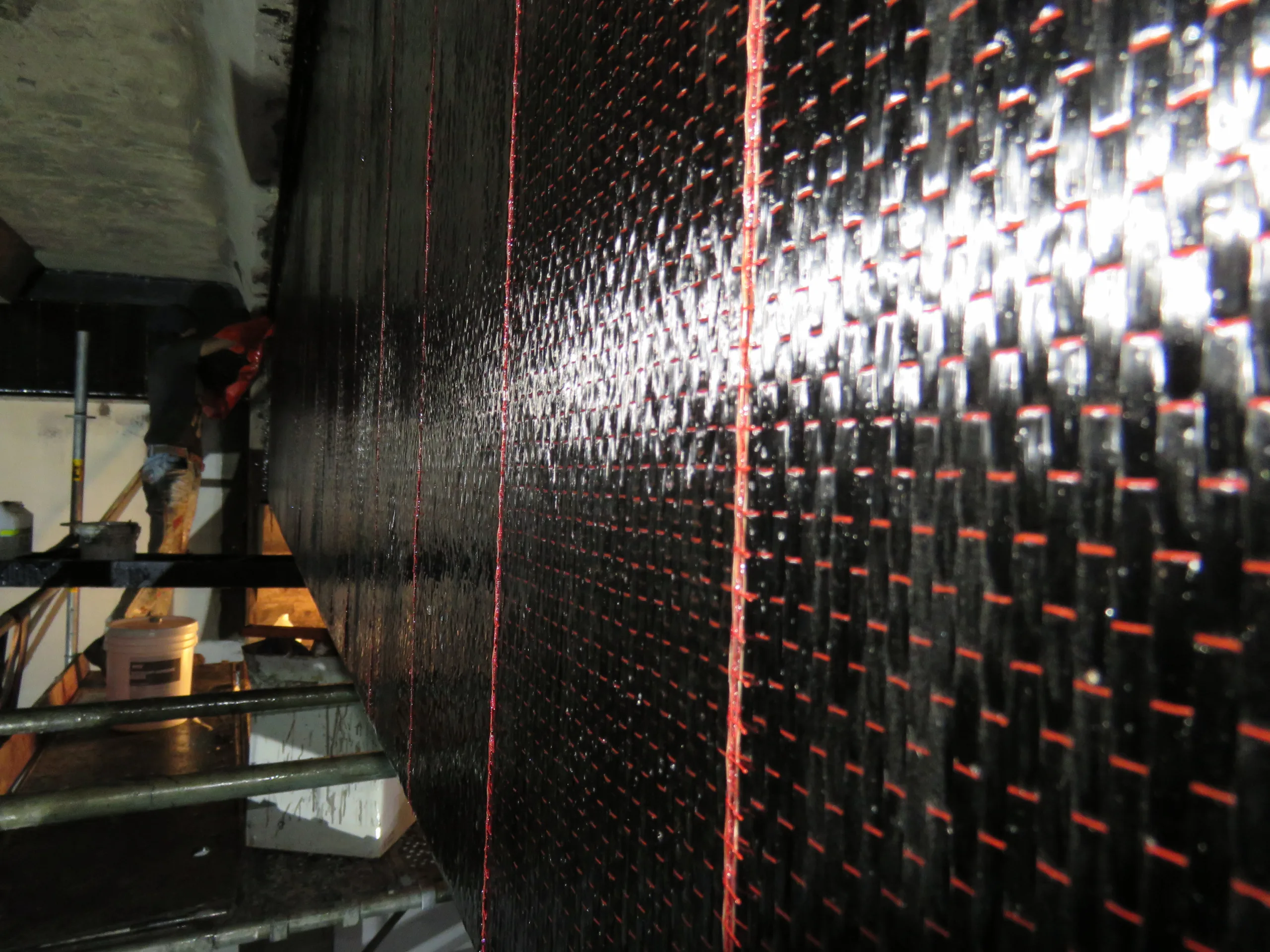
Carbon Fibre Concrete Reinforcement
For structures that need extra strength without added weight, carbon fibre reinforcement offers a lighter alternative to steel. It suits bridges, buildings, and industrial structures where load-bearing capacity needs to increase without changing the design. Unlike steel, carbon fibre does not corrode, which makes it useful in coastal or industrial settings where concrete surfaces are exposed to salt air and other corrosive conditions.
DIY Concrete Patch vs Professional Repair
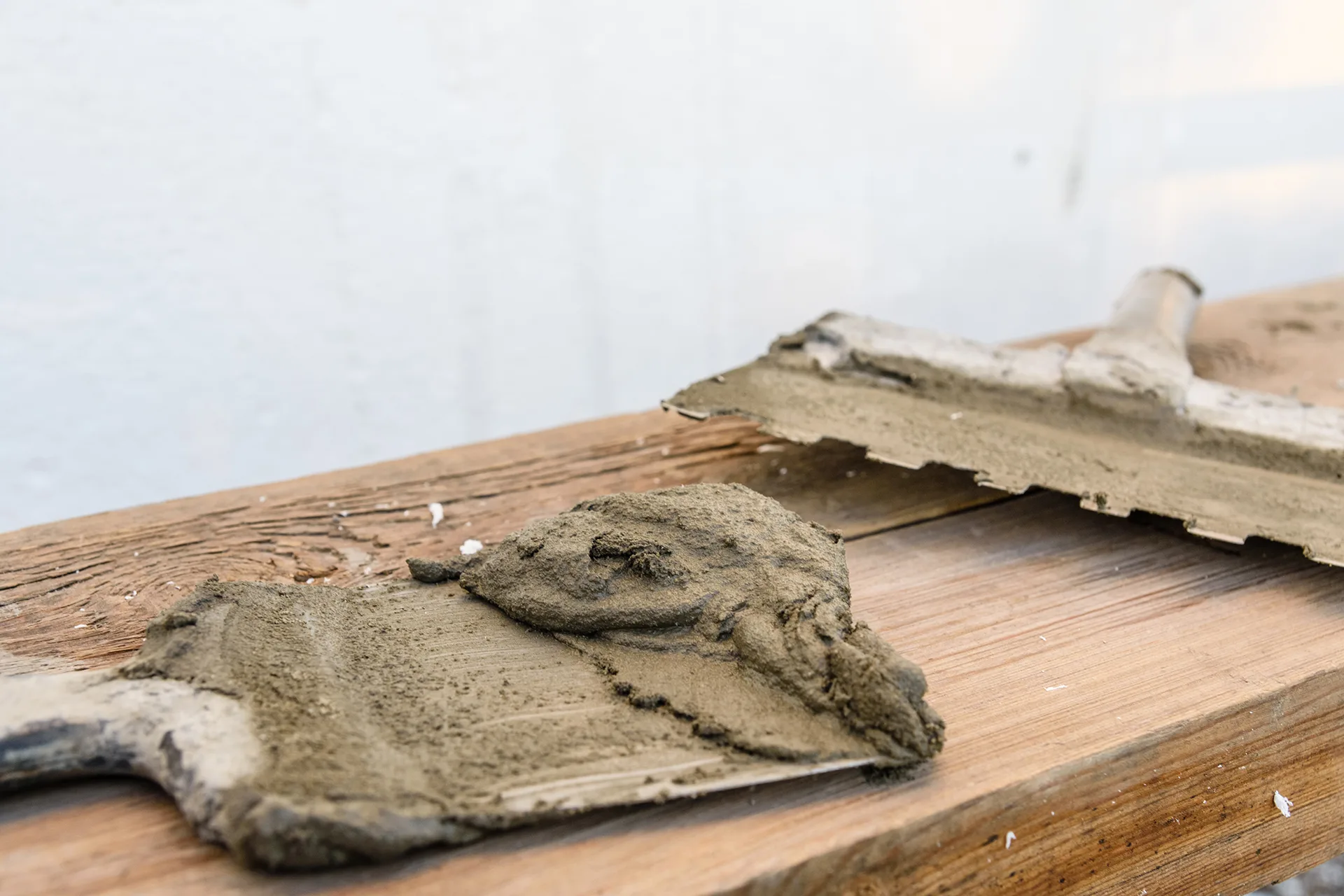
Small chips on a path or a low-traffic concrete surface can sometimes be filled with an off-the-shelf concrete patch, a bonding primer, and a general purpose adhesive, applied wet to dry and left to cure. For minor cosmetic marks, this is a reasonable stopgap.
The problem is that most consumer-grade concrete repair products are not built for structural loads, movement, or Mauritius’ humidity and heat. A rapid setting patch on a concrete driveway might look fine for a season, then crack again once vehicle weight and temperature changes push against it. Products designed for tile grout or small cosmetic fixes are not a substitute for repair materials engineered for the specific construction materials and stresses involved. When a crack reaches structural elements, or keeps coming back after a DIY fix, it is a sign the underlying cause has not actually been addressed, and that is where professional assessment earns its cost back.
When Replacement Becomes Necessary
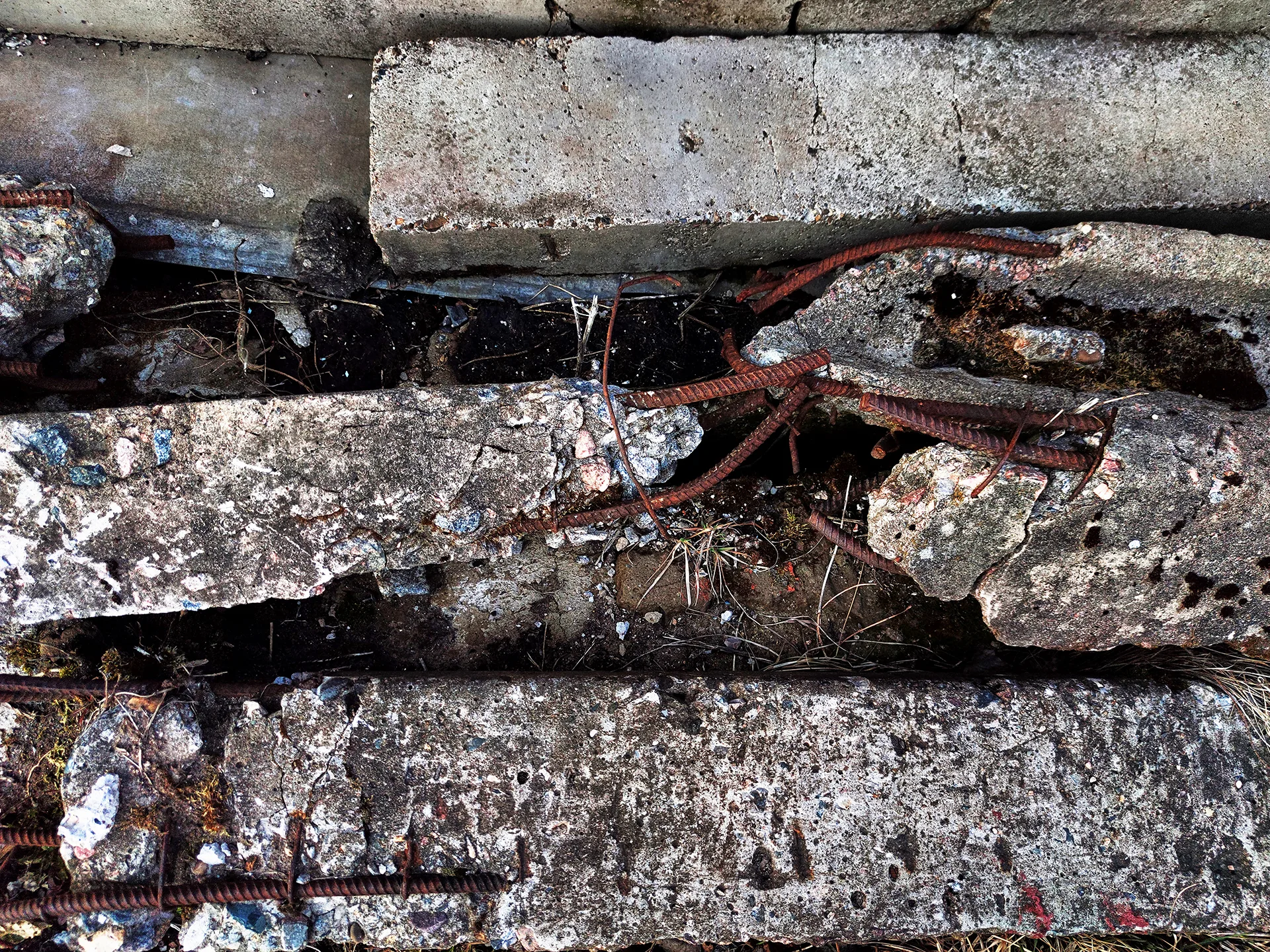
Repair is not always enough. Replacement is generally the right call when:
- Damage extends through most of the concrete section
- Reinforcing steel has corroded so extensively that repair would not restore adequate strength
- The structure has failed repeated repairs and keeps deteriorating
- A property is being repurposed to carry heavier loads than the original design allowed
In these situations, patching the surface only delays the inevitable and can create a false sense of security. New concrete built to updated specifications is often more practical than reinforcing an aging structure that has already been pushed past its limits.
Repair vs Replacement: A Practical Comparison
| Factor | Repair | Replacement |
|---|---|---|
| Cost | Generally lower, targeted to the damaged area | Higher, involves full removal and new material |
| Timeline | Shorter, minimal disruption to operations | Longer, may require the area to be out of use |
| Suitability | Localised cracks, spalling, surface damage | Widespread deterioration, extensive steel corrosion |
| Long-term outcome | Effective when the underlying cause is addressed | Resets the structure with a clean foundation |
How Professionals Make the Call
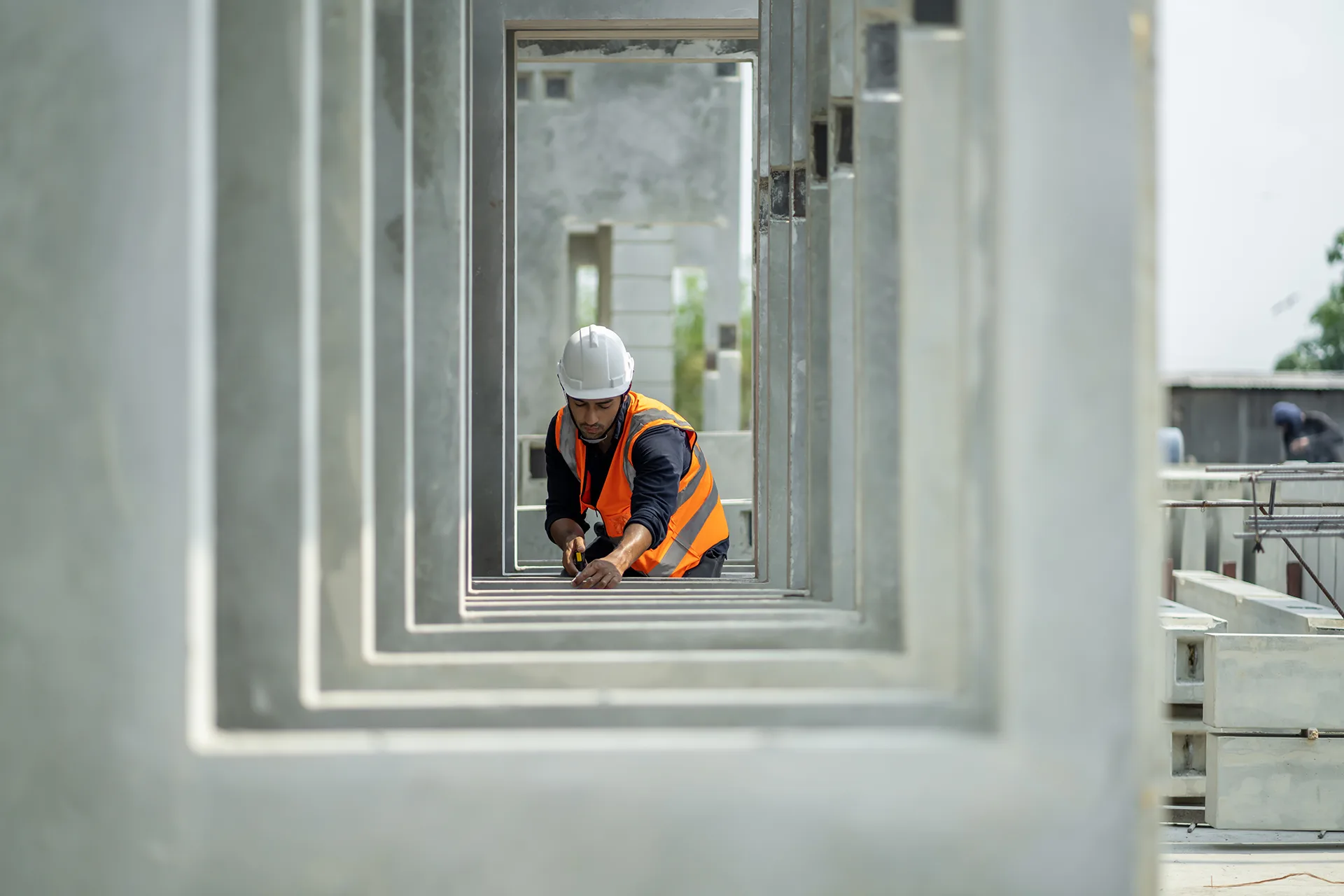
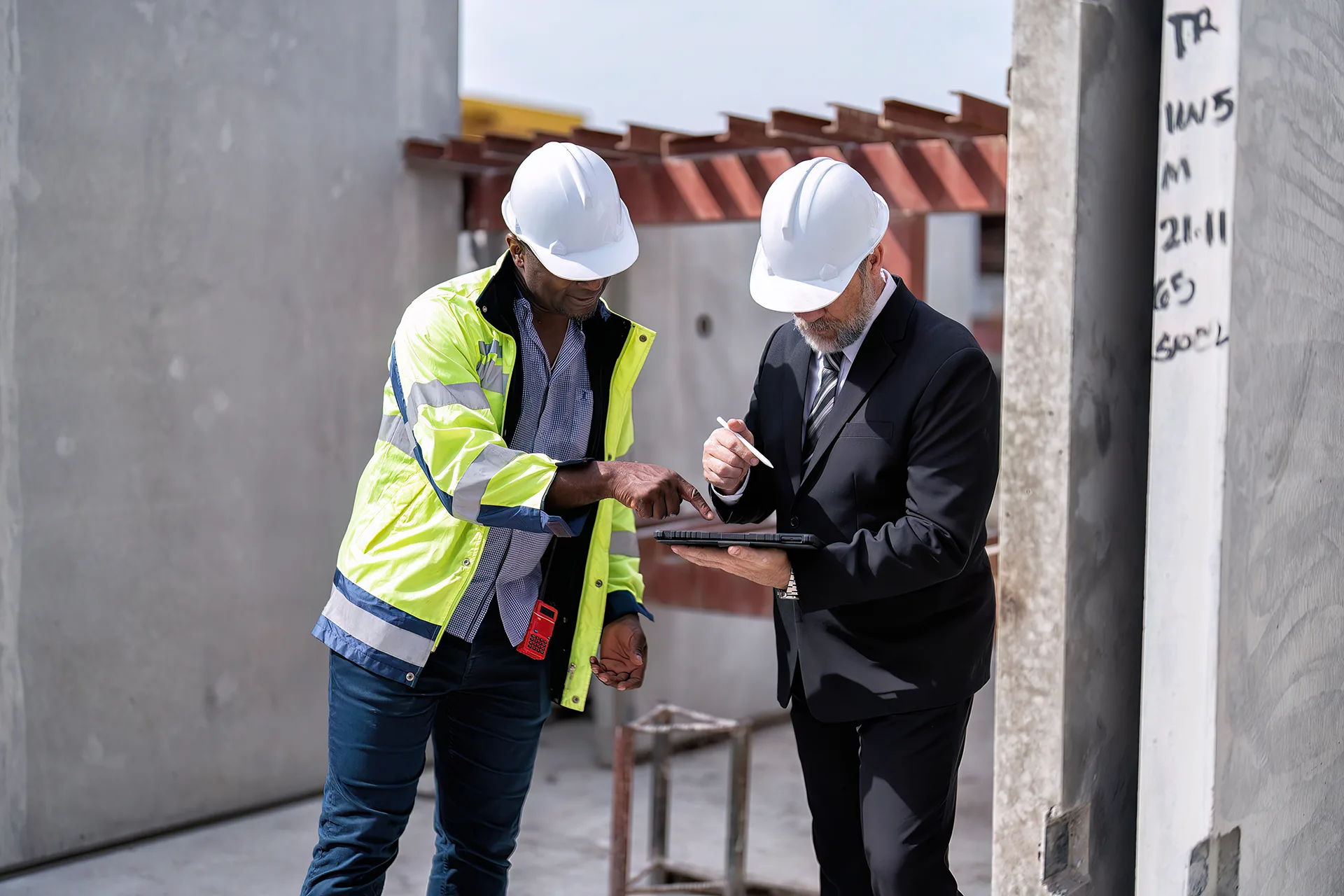
A reliable answer starts with a proper inspection. Experienced concrete contractors in Mauritius assess the extent of the damage, identify the root cause, and determine whether the existing structure retains enough integrity to be reinforced. This usually involves a site visit, an evaluation of the affected concrete surfaces, and a detailed quote outlining the recommended approach before any work begins.
This step matters because visible damage does not always reflect the full extent of the problem. A crack on the surface can point to a much larger issue inside the concrete or around the reinforcing steel. Skipping the inspection and jumping straight to a repair, or a replacement, raises the risk of the same problem coming back.
Why Choose Professional Concrete Restoration in Mauritius
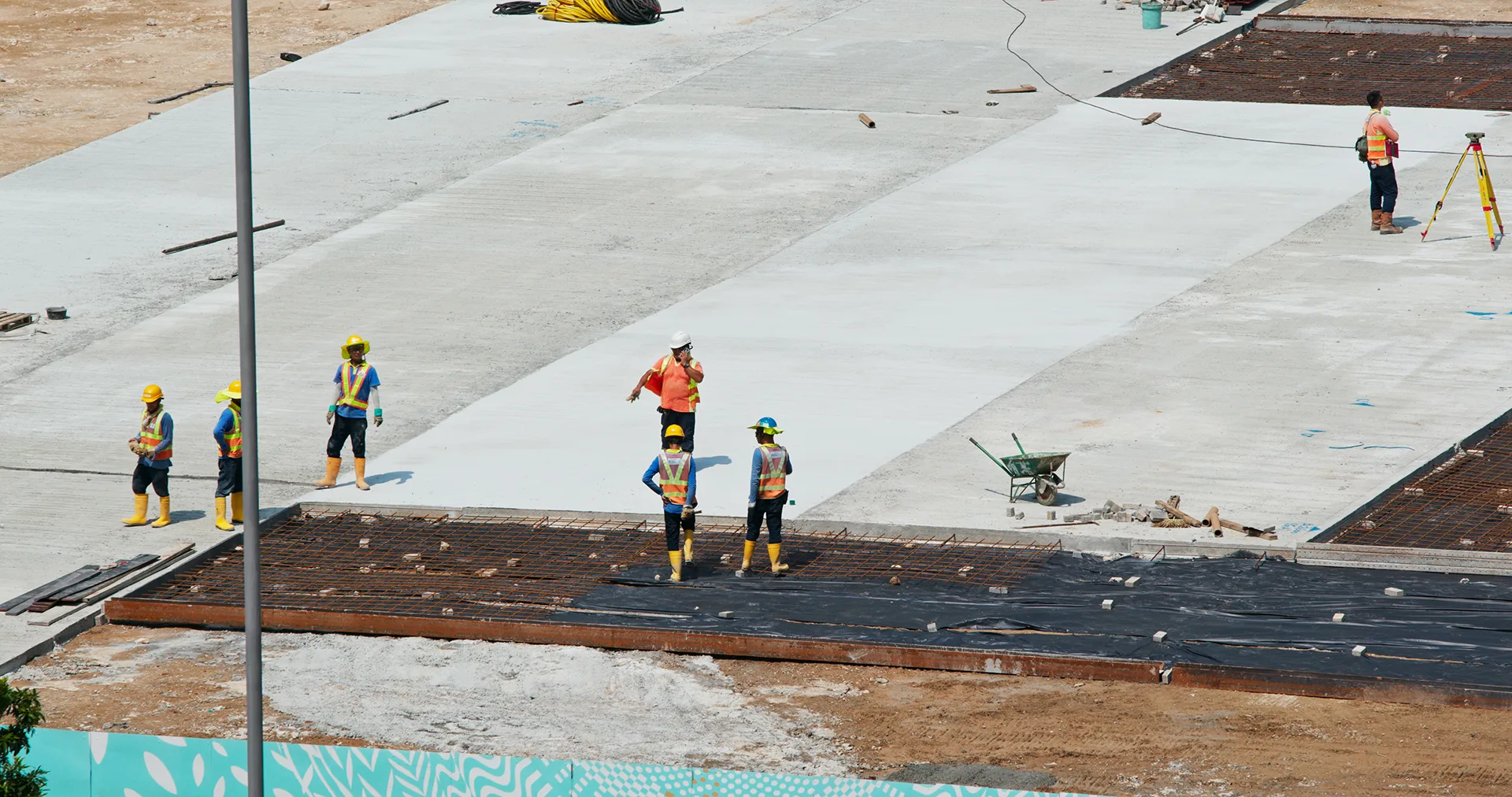
Concrete restoration in Mauritius has to account for local conditions: humidity, coastal air, heavy rain, and a mix of residential, commercial, and industrial properties across the island. Working with a contractor who understands these factors, and who applies proven repair and protection techniques with precision, helps ensure the work performs as intended for years, not just months.
A thorough, customer-focused process, from initial assessment through to final inspection, gives property and business owners confidence that the work addresses the actual cause of the damage rather than just what is visible on the surface.

Frequently Asked Questions
What are common signs that concrete needs repair?
Common signs include visible cracks, spalling where the surface flakes or chips away, uneven or sunken areas, and exposed or corroded steel. These issues can compromise structural integrity and tend to worsen over time if not addressed.
What methods are used for concrete crack repair?
Crack injection, crack stitching, and reinforcement methods such as steel bars or carbon fibre are commonly used, depending on the size and cause of the crack.
Can I use a concrete patch product myself instead of calling a contractor?
For small cosmetic chips on low-traffic surfaces, a basic patch product can work as a temporary fix. For anything affecting structural elements, load-bearing surfaces, or a crack that keeps returning, professional-grade materials and an actual diagnosis of the cause are needed.
How long does a typical concrete repair project take?
The duration depends on the scope and complexity of the repair. A detailed timeline is normally provided during the consultation phase.
Can all cracked concrete be repaired instead of replaced?
Not always. If the damage is extensive or the reinforcing steel has corroded significantly, replacement may be the more durable solution. A professional assessment is the only reliable way to know which approach applies to your property.
Get a Professional Assessment
Whether your property or commercial building needs a targeted repair or a full concrete replacement, the safest first step is a professional inspection. PND has 10 years of experience in concrete repair and restoration across Mauritius, offering crack injection, crack stitching, steel reinforcement, carbon fibre reinforcement, and damaged concrete repair services tailored to each structure.
Contact PND to arrange a consultation and get a clear recommendation for your concrete.