
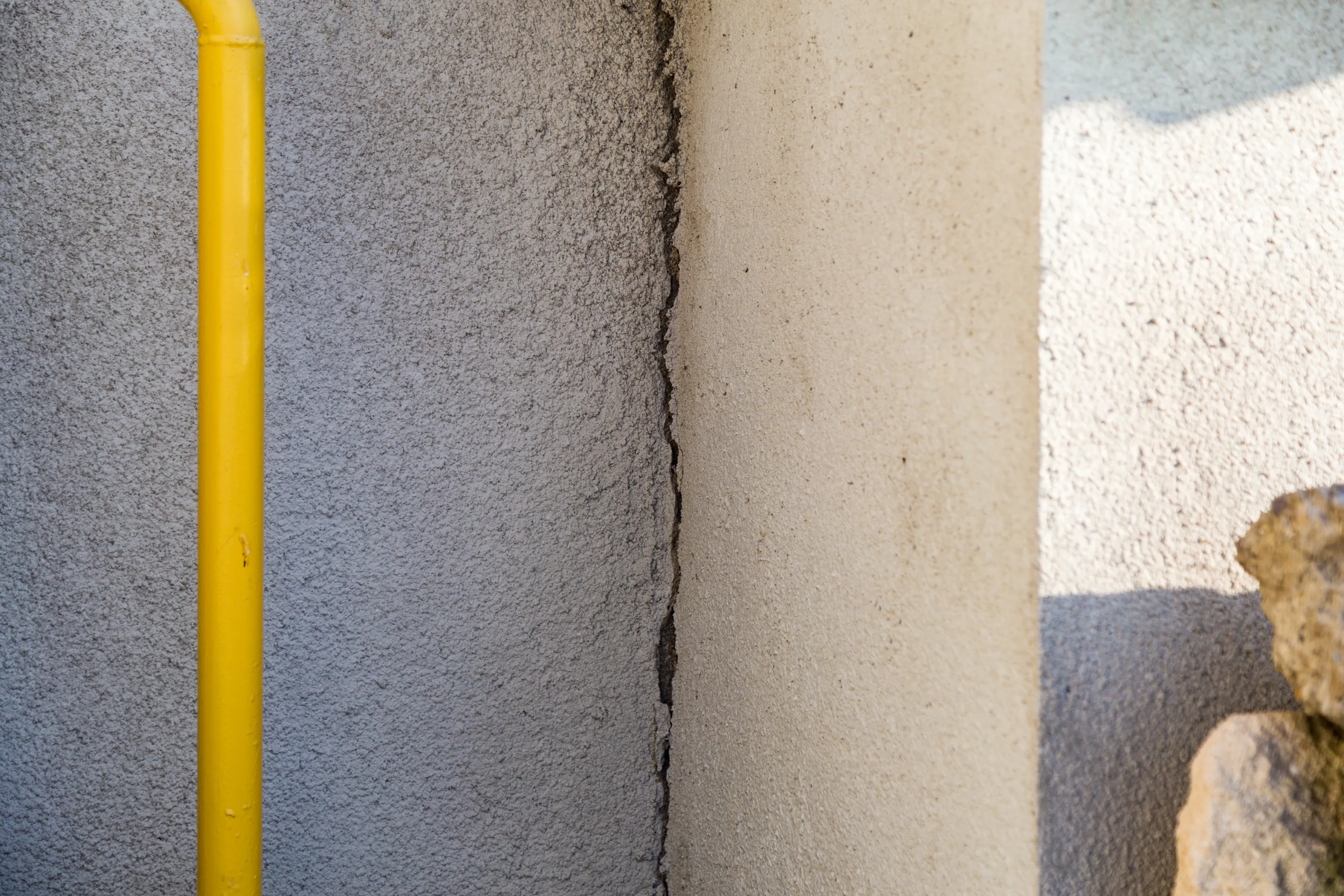
Concrete failures rarely begin with dramatic collapse. In most cases, damage starts quietly. Small surface changes appear long before strength is lost. In Mauritius, climate conditions speed up this process. Heat, moisture, salt air, and rainfall place daily stress on concrete structures.
For commercial buildings and large properties, the real risk is not visible damage. The risk is missing early warning signs. When these signs go unnoticed, repair costs rise quickly. Structural concrete repair then becomes unavoidable.
This article explains how concrete damage develops, what early signals indicate risk, and when concrete contractors in Mauritius should be involved.

How Concrete Damage Develops Over Time
Concrete does not fail at once. Damage follows a pattern.
- First, moisture finds a way in. It can seep through hairline cracks, enter via a porous or unsealed surface, or penetrate through poorly finished joints.
- Next, steel reinforcement begins to corrode.
- Then internal stress builds.
- Finally, visible damage appears.
By the time cracks widen or concrete breaks away, deterioration is already advanced. Early concrete repair focuses on interrupting this sequence before strength is affected.
Surface Changes That Signal Early Risk
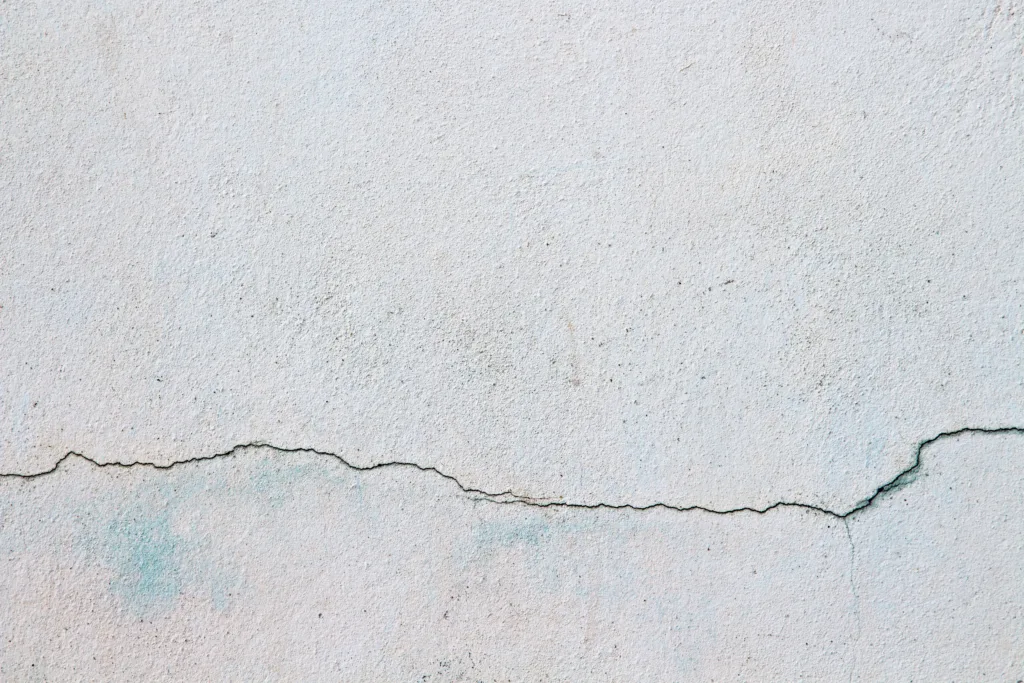
Surface appearance often changes before structural damage occurs.
Early warning signs include:
- Fine cracking that spreads over time
- Local discolouration or staining
- Rough or weakened surface texture
These changes may seem cosmetic. In reality, they often indicate moisture movement within the concrete. At this stage, concrete crack repair can still prevent deeper deterioration.
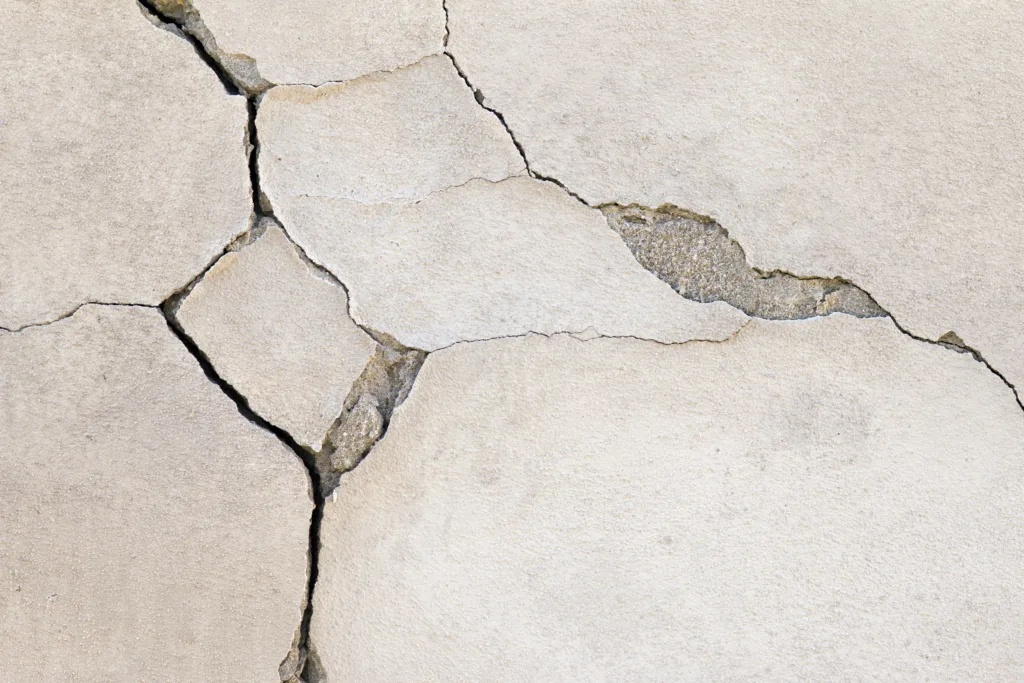
Crack Patterns That Require Attention
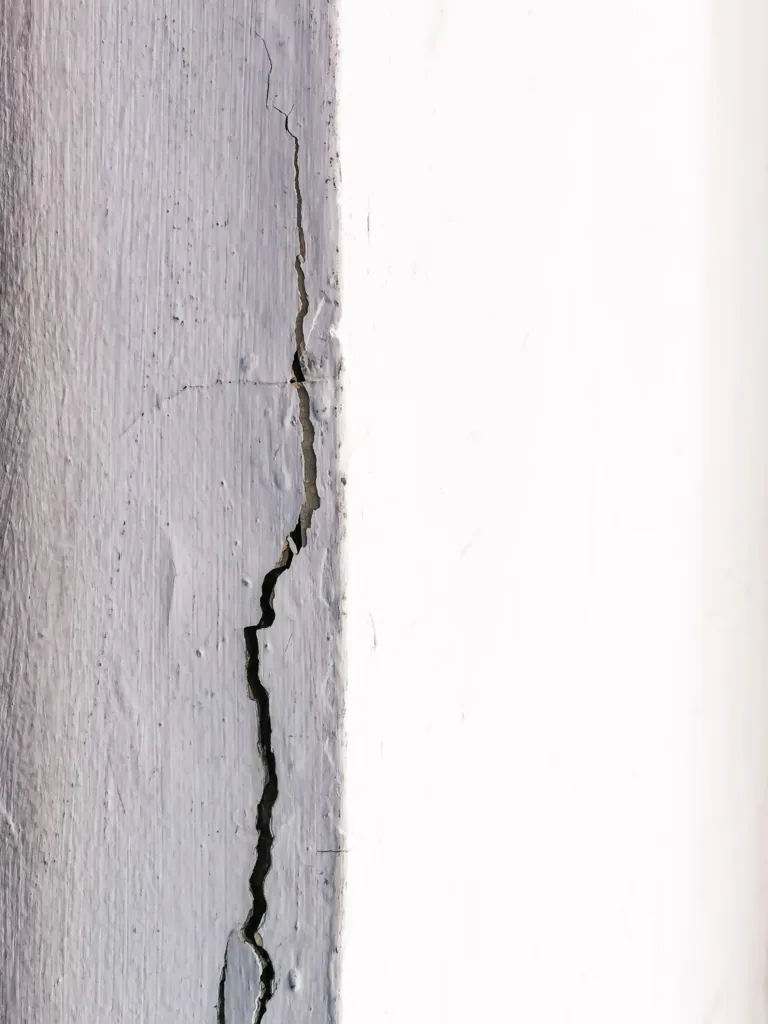
Cracks should not be judged by size alone. Shape and location matter more.
Cracks that require closer inspection include:
- Cracks that follow a repeated direction
- Cracks that grow after repair
- Cracks near joints, columns, or slab edges
These patterns often reflect movement or stress within the structure. Early assessment helps concrete contractors in Mauritius decide whether minor repair is sufficient.
Loss of Surface Integrity
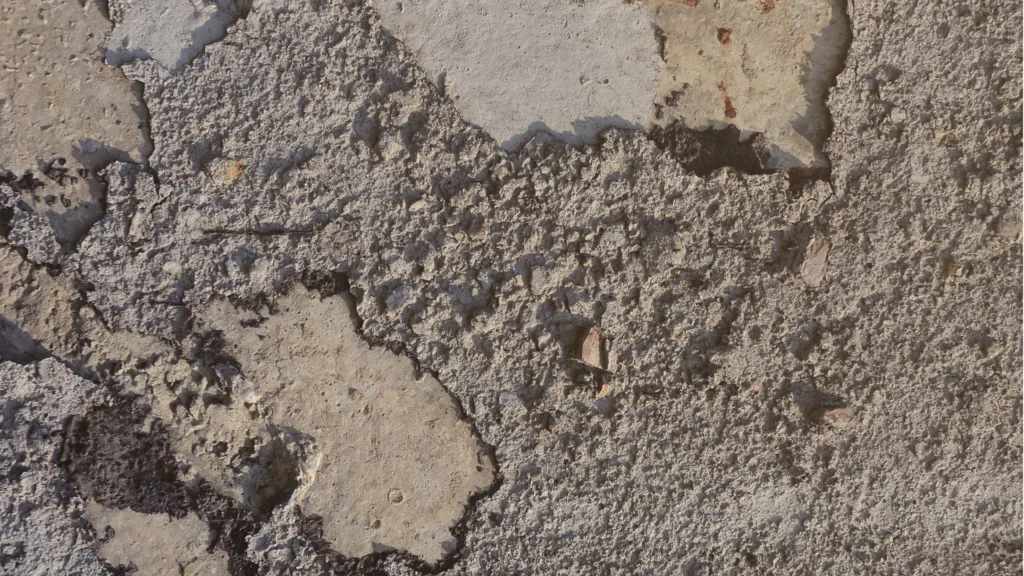
Concrete surfaces should remain dense and solid. When this changes, internal damage may already be present.
Warning signs include:
- Flaking or chipping concrete
- Small pieces breaking away under light pressure
- Exposed aggregate or steel
This condition, often linked to reinforcement corrosion, weakens the concrete section. Concrete repair should not be delayed once surface integrity is lost.
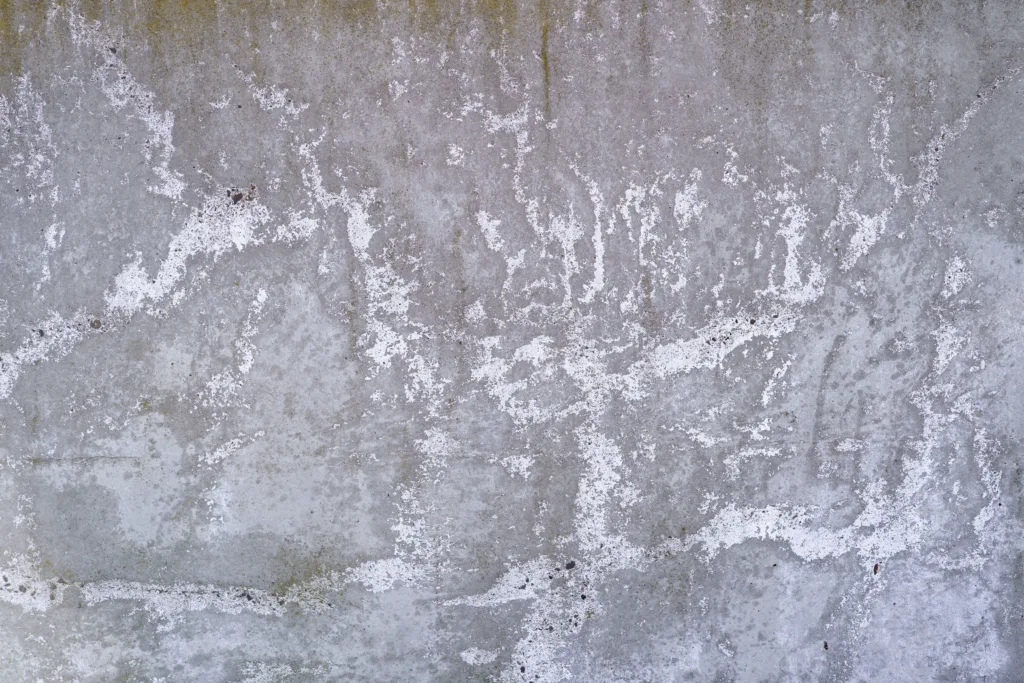
Moisture Behaviour That Indicates Hidden Damage
Moisture movement provides important clues about concrete condition.
Problem indicators include:
- Damp areas that reappear after drying
- White residue forming on the surface
- Water marks after rainfall
These signs suggest water is entering the concrete through cracks or porous zones. Moisture accelerates corrosion and reduces durability. Early intervention can limit the need for concrete restoration in Mauritius.
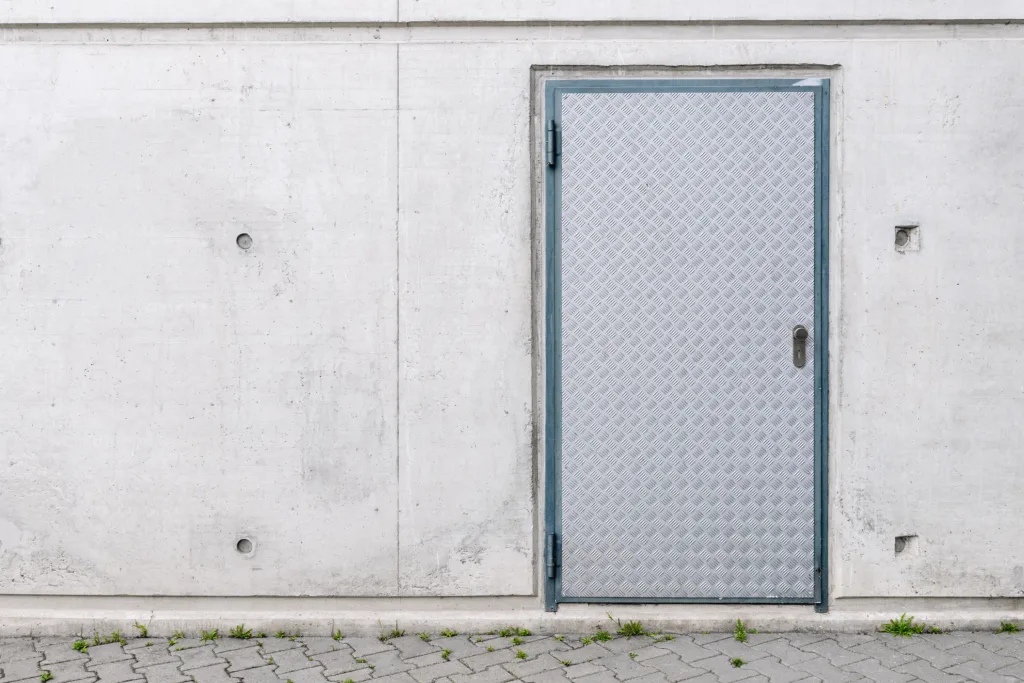
Alignment and Load Response Changes
Concrete structures are designed to remain stable. When alignment changes, underlying issues are often present.
Key indicators include:
- Uneven slabs
- Doors or partitions that shift over time
- Joints that no longer align
These changes may result from settlement or load redistribution. Structural concrete repair may be required if movement continues.
Internal Separation Within Concrete
Concrete structures are designed to remain stable. When alignment changes, underlying issues are often present.
Key indicators include:
- Uneven slabs
- Doors or partitions that shift over time
- Joints that no longer align
These changes may result from settlement or load redistribution. Structural concrete repair may be required if movement continues.
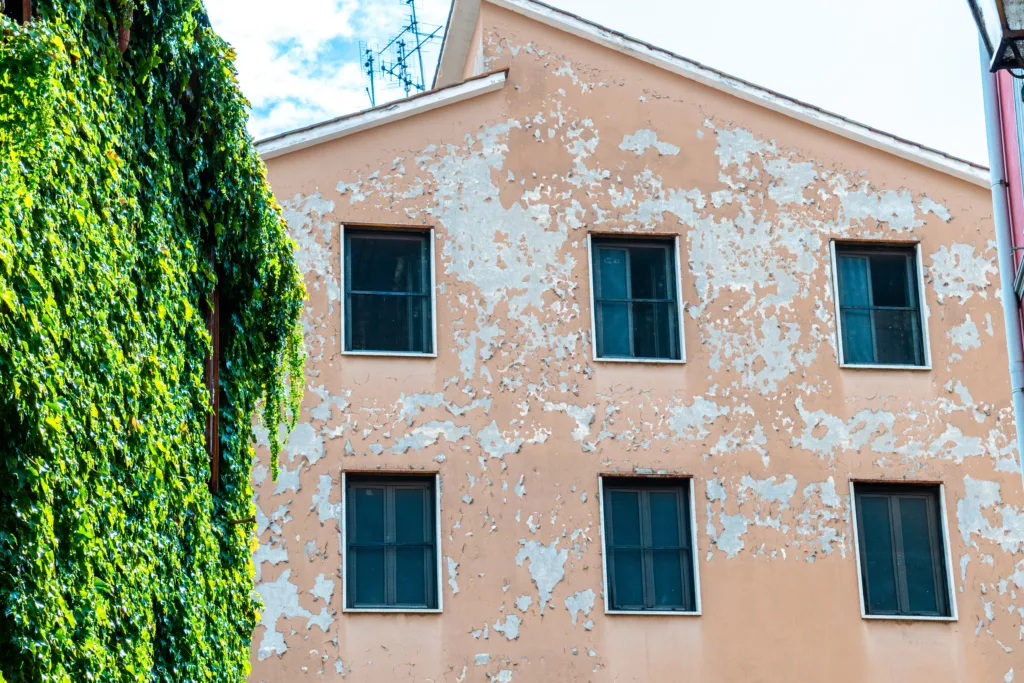
Performance Decline in Older Structures
Age alone does not cause failure, but older concrete requires closer monitoring.
Common signs of performance decline include:
- Increased cracking frequency
- Reduced resistance to moisture
- Faster surface wear
Routine inspections help identify when preventative concrete repair is required.
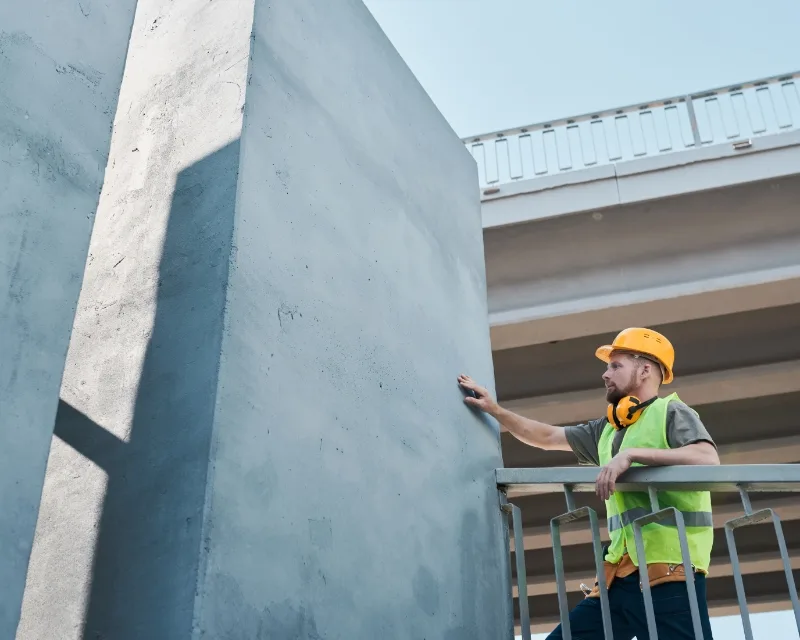
When to Hire Concrete Contractors in Mauritius
Professional assessment is recommended when:
- Crack patterns change
- Moisture problems persist
- Surface damage spreads
- Structural movement is observed
Concrete contractors in Mauritius can identify root causes and define the correct repair approach. Early engagement limits disruption and reduces long-term repair costs.

Conclusion
Concrete damage follows clear warning patterns. Surface changes, moisture behaviour, cracking trends, and alignment shifts all provide early signals. Ignoring these signs increases risk and repair cost.
For property owners and managers in Mauritius, early concrete crack repair protects structural performance. Timely concrete repair reduces the need for major structural concrete repair. Working with experienced concrete contractors in Mauritius helps preserve safety, durability, and long-term asset value.