
Waterproofing is not a single product. It is a group of different methods, each developed for a particular kind of surface and a particular set of conditions. A system that performs well on a large commercial roof can be the wrong choice for a tiled terrace, and a method suited to a water tank may not suit an exposed slab.
In the Mauritian climate, where strong sun, heavy rain and humidity all act on a building, matching the method to the surface is what determines how long the protection lasts. This guide explains the main types of waterproofing used in Mauritius and where each one fits.
Why the Method Has to Match the Surface
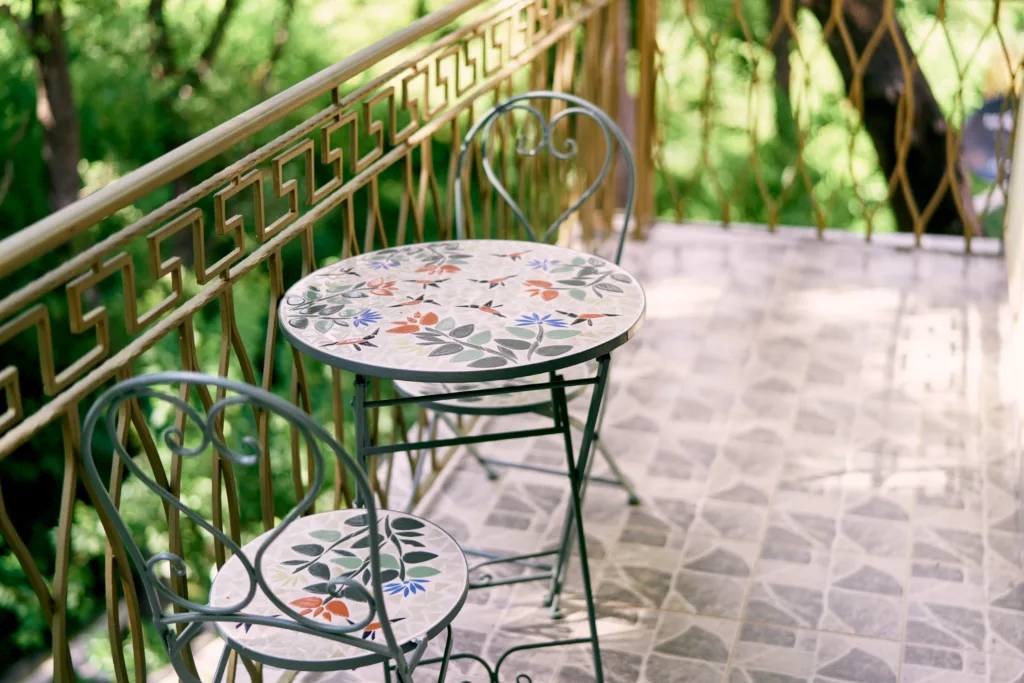
Every surface behaves differently. A roof takes direct weather and foot traffic for maintenance. A balcony or terrace is smaller, has a tiled finish, and is full of edges and junctions. A water tank holds water under constant pressure from the inside. A basement resists water pushing in from the surrounding ground. Because the demands are different, the waterproofing method has to be chosen for the surface it is protecting, not applied uniformly across an entire building.
Getting this wrong is one of the most common reasons waterproofing fails early. The material may be good quality, but if it is the wrong type for that surface it will not bond, flex or drain the way the situation requires. The sections below set out what each method is and the surfaces it is designed for.dentifying and treating the weak points, then creating a barrier that keeps water out. This helps protect your property.
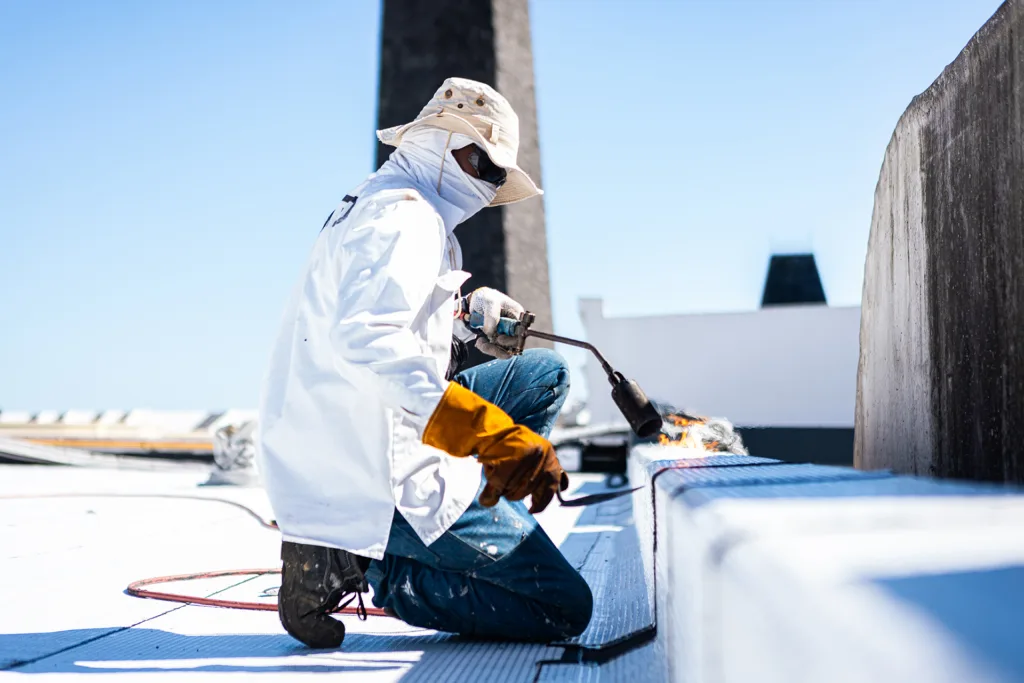
Hot-Applied Membrane Waterproofing
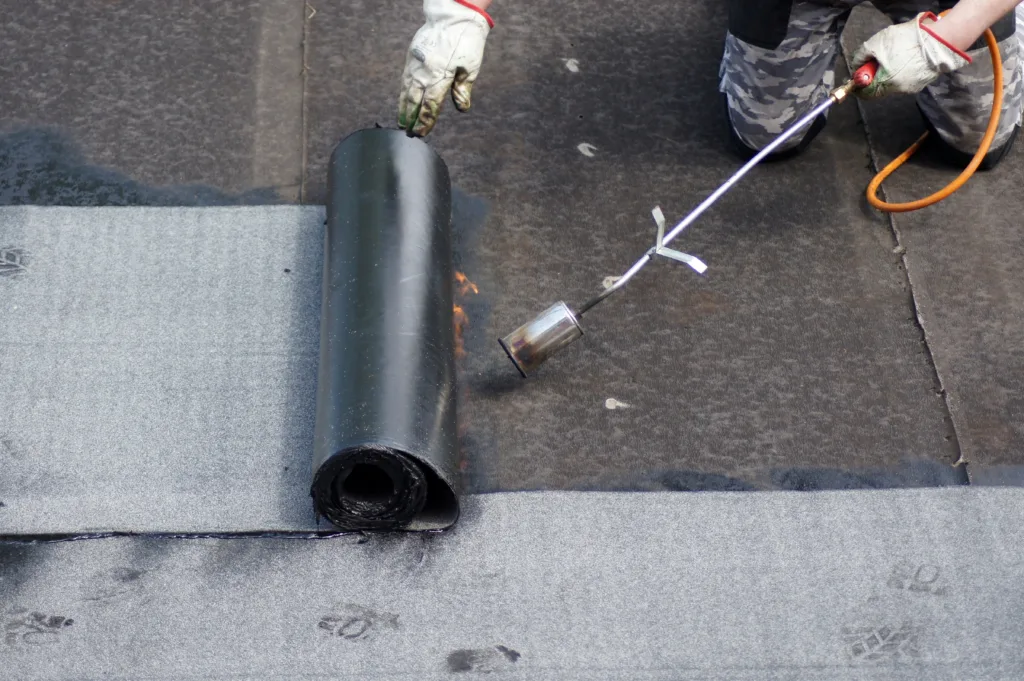
Hot-applied waterproofing uses a bitumen-based membrane that is heated until it becomes malleable, then bonded to the surface. Once it cools and cures, it forms a thick, durable, impermeable layer. It is built for large, exposed areas that need strong, long-lasting protection.
Best suited to:
- Large flat or low-slope roofs on commercial and industrial buildings
- Extensive exposed slabs where a robust, continuous membrane is needed
Learn more about PND’s hot-applied waterproofing.
Cold-Applied Waterproofing
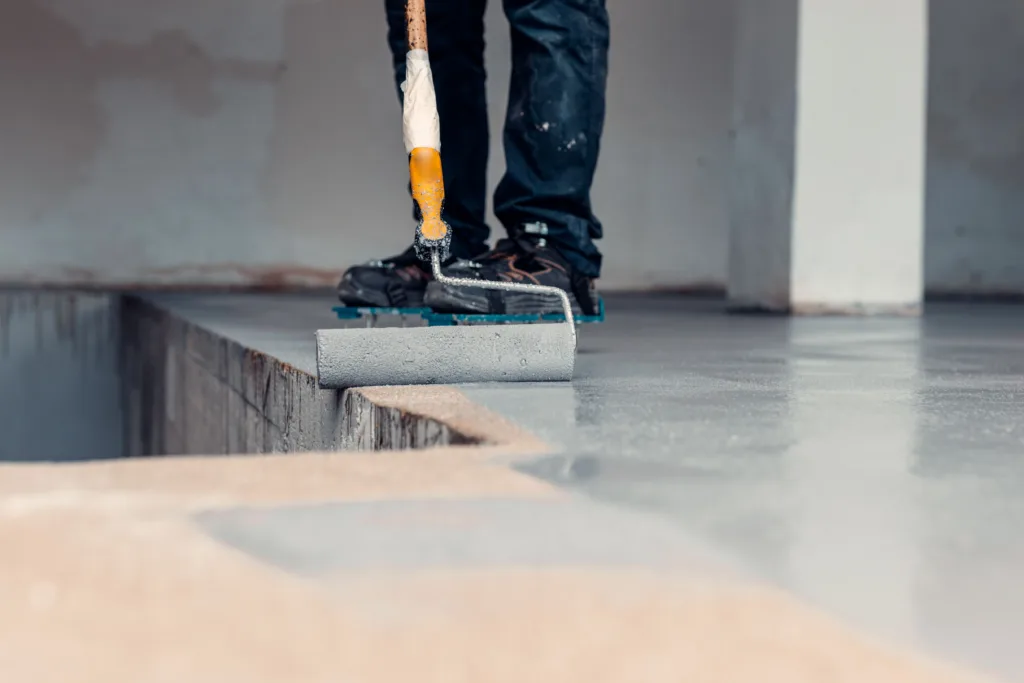
Cold-applied waterproofing is defined by how it is installed: it is applied without heat or flame. In most cases it uses ready-to-use liquid coatings, usually acrylic or polyurethane based, that cure into a seamless, flexible film following the shape of the surface, including around details and penetrations. Depending on the surface and the conditions, a cold-applied system can also be cementitious rather than liquid. Because there is no naked flame, cold-applied systems are useful where fire risk or downtime is a concern.
Best suited to:
- Exposed and flat roofs, including roofs with many details, upstands and outlets
- Surfaces where a seamless, flexible coating is preferred over a sheet membrane
- Recoating or reinforcing an existing roof in suitable condition
See PND’s cold-applied waterproofing.
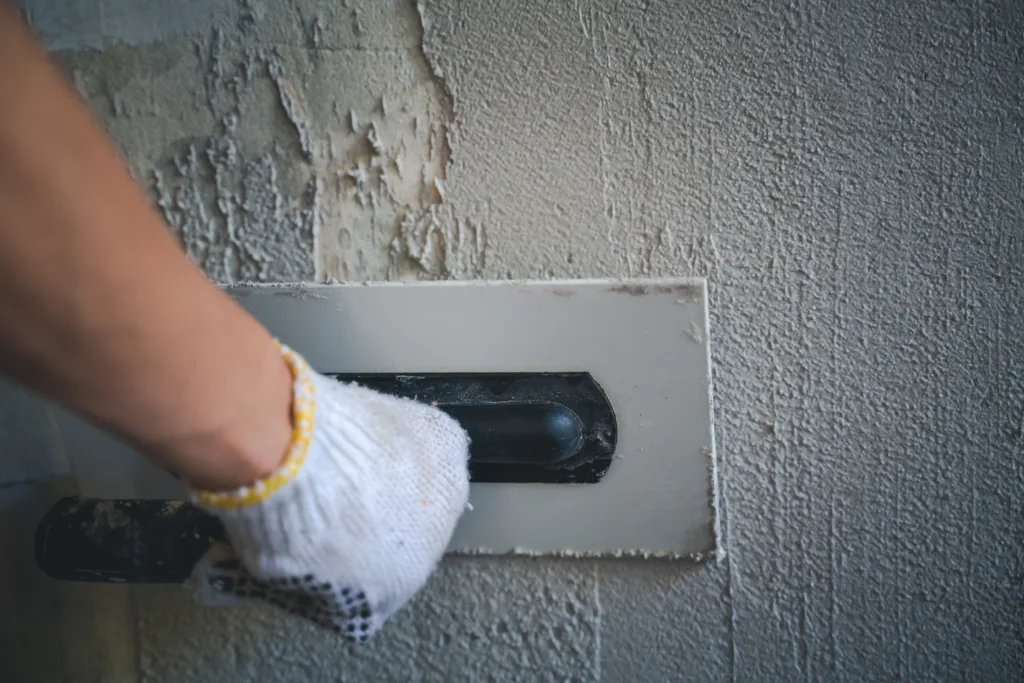
Cementitious Waterproofing
Cementitious waterproofing uses cement-based products applied directly to a prepared surface, where they form a hard, bonded barrier against water. It works well on surfaces that are exposed to water and then receive a finish such as tiles on top of the waterproofing layer.
Best suited to:
- Balconies and terraces, applied to the slab and junctions before tiling
- Bathrooms and wet rooms
- Water tanks and other water-exposed areas
More on cementitious waterproofing.
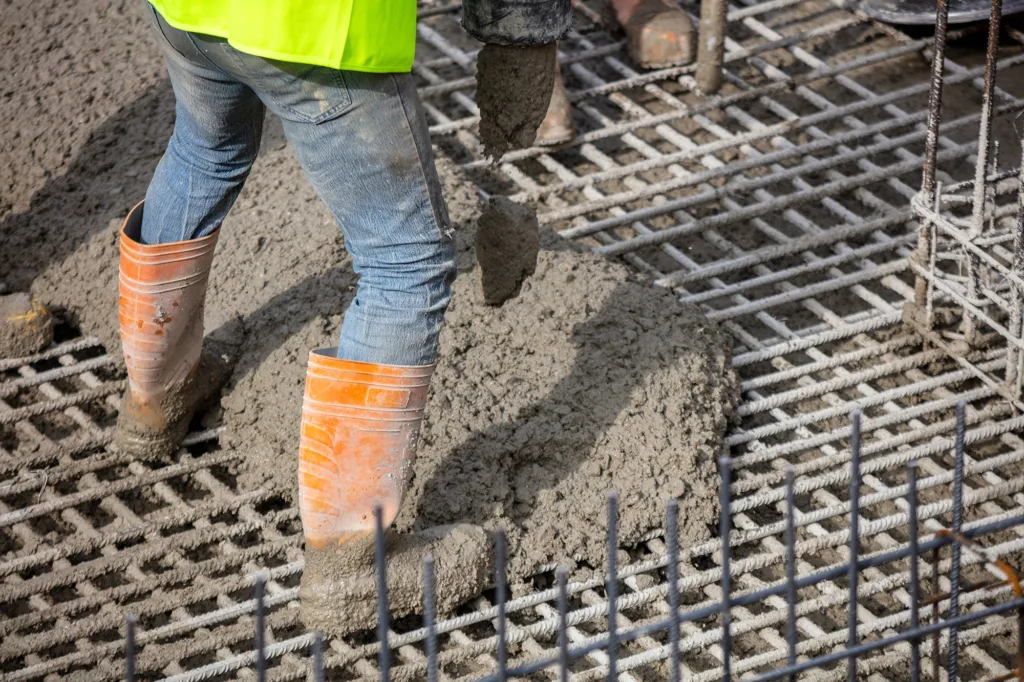
Integral (Crystalline) Concrete Waterproofing
Integral concrete waterproofing works inside the concrete rather than only on its surface. Crystalline material, either added to the concrete mix or applied to the surface, reacts with moisture and the chemistry of the concrete to form crystals that fill its pores and hairline cracks. The slab itself becomes resistant to water passing through it. Because the protection is part of the concrete, it is well suited to surfaces where movement and small cracks are expected over time.
Best suited to:
- Balconies and terraces, often combined with a cementitious surface layer
- Basements and below-ground structures resisting water pressure
- Water tanks and concrete elements where durable, built-in protection matters
See integral concrete waterproofing.
White Reflective Waterproofing
White reflective waterproofing protects against water and, at the same time, reflects sunlight to reduce how much heat passes through a roof slab. In a climate with long periods of strong sun, this can lower indoor temperatures and reduce cooling demand. It is a roof system: the heat-reflective benefit applies to roof slabs exposed to the sun, not to shaded vertical surfaces or tiled terraces.
Best suited to:
- Exposed roof slabs where reducing heat gain is a priority alongside waterproofing
Details on white reflective waterproofing. For roofs where insulation is the main goal, the insulating roof system combines thermal insulation with waterproofing protection.
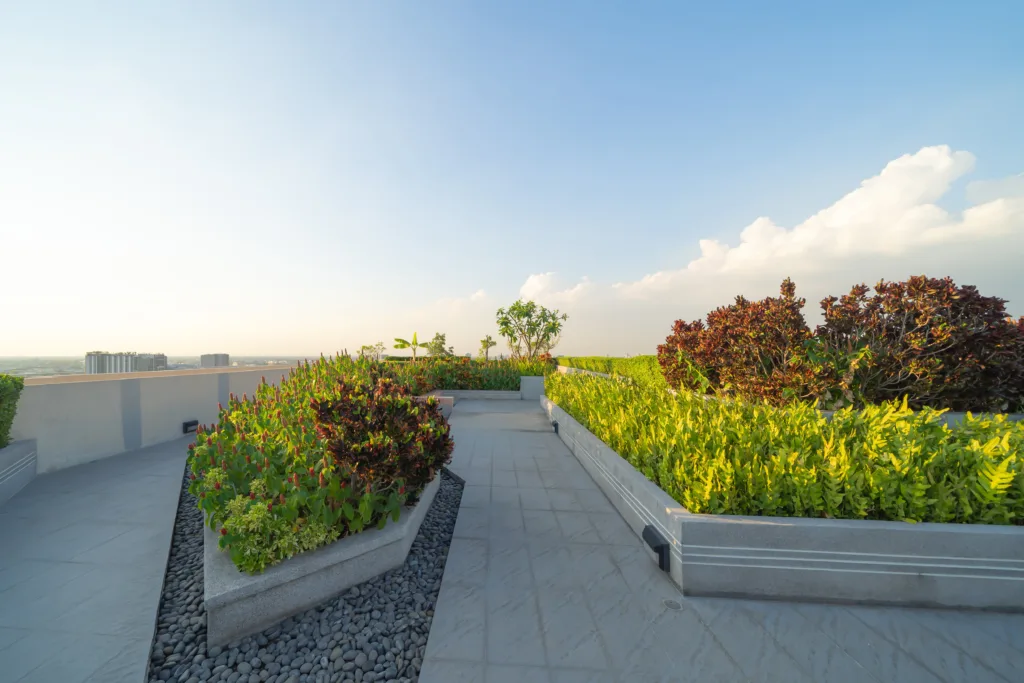
Specialised Systems: Green Roofs and Roof Maintenance
Some situations call for systems beyond the standard methods. Green roof waterproofing is designed for roofs that carry planting, where the waterproofing has to perform under soil and vegetation. Existing systems also need upkeep: roof maintenance programmes involve inspections, drainage checks and repairs that extend the life of waterproofing already in place, at a far lower cost than a full replacement.
How to Choose the Right Waterproofing for Your Property
Choosing a system is a matter of working through a few practical questions about the surface and the situation:
- What surface is it? A large roof, a tiled terrace, a tank, and a basement each point toward different methods.
- Is it exposed to sun, traffic or water pressure? These determine whether heat reflection, durability or resistance to internal or ground pressure matters most.
- Is it a new build or a renovation? Some methods are best designed in from the start; others are suited to treating or recoating an existing surface.
- What finish goes on top? A surface that will be tiled has different requirements from one left exposed.
In many projects more than one method is used together, for example a crystalline approach within a slab and a cementitious layer over it before tiling. The right combination depends on the specifics of the surface and the building. This is where a professional assessment matters: a waterproofing contractor can inspect the surface, identify the conditions it faces, and specify the system that suits it rather than applying one method everywhere.

Getting the Specification Right
The main types of waterproofing are not competing products; they are tools for different jobs. Hot-applied and reflective systems belong on large roofs. Cold-applied systems suit exposed roofs and detailed surfaces. Cementitious and crystalline systems are the dependable choice for terraces, tanks, bathrooms and basements. Matching the method to the surface, and combining methods where needed, is what produces waterproofing that holds up in the Mauritian climate.
PND provides a full range of waterproofing services in Mauritius for commercial, industrial and residential projects, and can assess a property and recommend the right system for each surface. Get in touch with PND for a professional waterproofing assessment.