
Wood brings warmth and character to properties across Mauritius, from front doors and window frames to decking, pergolas, shutters, and cladding. To keep those surfaces protected and looking their best, repainting at the right intervals is essential. The challenge is that wood in a tropical climate does not follow the same repainting schedule as wood in cooler, drier regions. This guide explains how often you should repaint wood in Mauritius, the factors that shorten or extend that timeline, and the signs that tell you the work is due.
Why Wood Needs Repainting More Often in Mauritius
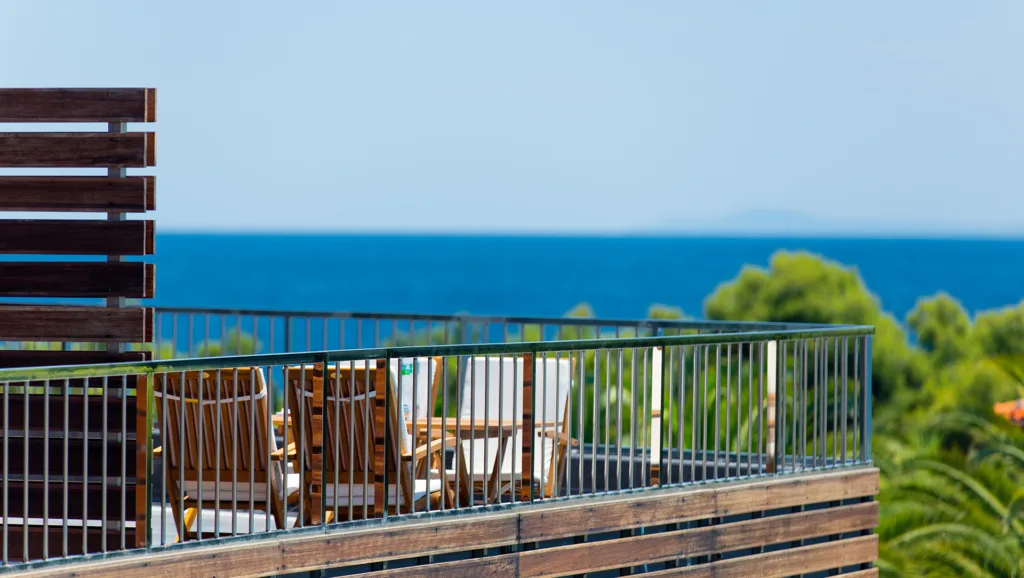
Wood is a natural, porous material that expands and contracts as conditions change. In Mauritius, those conditions are demanding. Strong year-round UV breaks down paint and fades colour. High humidity and frequent rainfall drive moisture into timber, which encourages swelling, mold, and rot. Near the coast, salt-laden air adds another layer of wear. Daily temperature swings cause the wood to move, which stresses the coating and leads to cracking over time.
Because of these combined pressures, paint and protective coatings on wood simply do not last as long here as they do in milder climates. Regular repainting is part of normal property maintenance for homes and commercial buildings alike, and skipping it usually means more costly repairs later.

2. Enhances Appearance and Curb General Repainting Timelines for Wood
Repainting intervals depend heavily on whether the wood is exposed to the elements. The ranges below are practical starting points for properties in Mauritius.
Exterior wood
Exterior wood faces the full force of sun, rain, and humidity, so it needs attention most often. As a general guide:
- Doors, window frames, and shutters: every 3 to 5 years
- Cladding and fascia boards: every 4 to 6 years
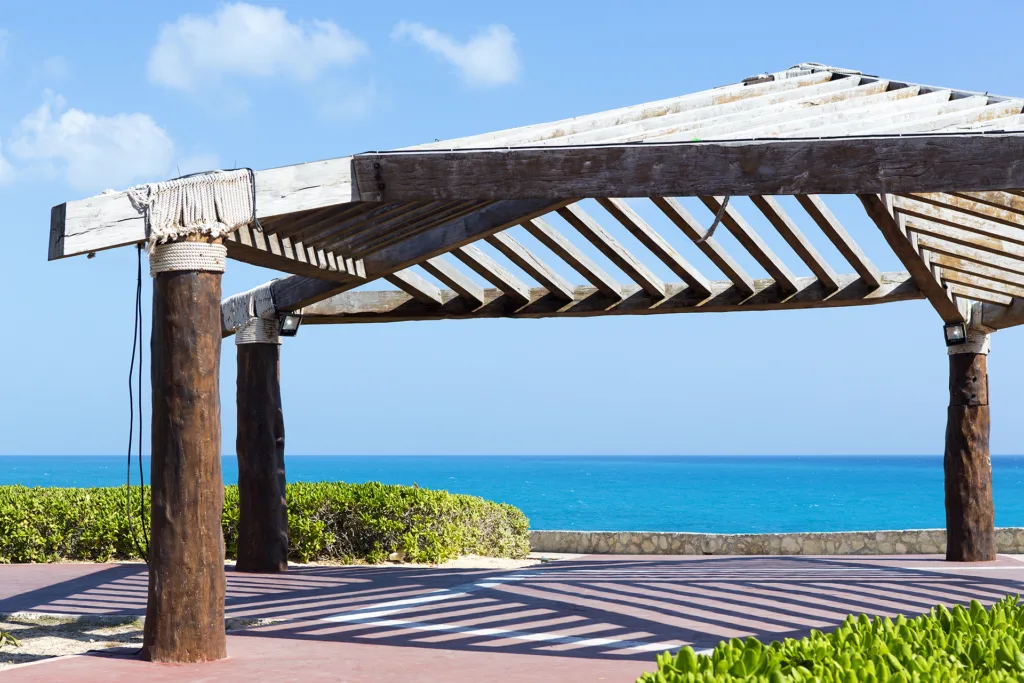
- Decking, pergolas, and fences: every 2 to 4 years
Decking and horizontal surfaces tend to wear fastest because they hold water and take direct foot traffic and sun.
Interior wood
Interior wood is sheltered from rain and direct UV, so coatings last considerably longer. Indoor doors, staircases, trims, and panelling can often go 6 to 8 years, sometimes more, before a full repaint is needed. Humidity still plays a role indoors, especially in bathrooms, kitchens, and rooms with limited ventilation.
These timelines are guidelines rather than fixed rules. The actual interval for any surface depends on the factors below.
Factors That Affect How Often You Repaint
Two wooden surfaces on the same property can need repainting years apart. The main variables are:
- Maintenance habits. Regular cleaning, prompt touch-ups, and quick attention to moisture problems all push the next full repaint further out.
- Sun exposure and orientation. Surfaces that face the sun for most of the day fade and degrade faster than shaded ones.
- Coastal versus inland location. Salt air accelerates wear, so coastal properties generally repaint exterior wood more frequently.
- Quality of the previous job. Thorough preparation and premium coatings extend the lifespan of a finish. Poor prep or low-grade paint can fail within a year or two.
- Type of wood. Some timbers are denser and more weather-resistant than others, which affects how long a coating holds.
- Type of finish. Paint, stain, and varnish age differently. Clear varnishes on exterior wood, for example, often need refreshing sooner than opaque paints because they offer less UV protection.
Signs Your Wood Needs Repainting
Schedules are useful, but the wood itself is the most reliable indicator. Inspect your exterior wood at least once a year and watch for these signs that repainting is due, sometimes earlier than expected:
- Fading, dullness, or a chalky residue on the surface
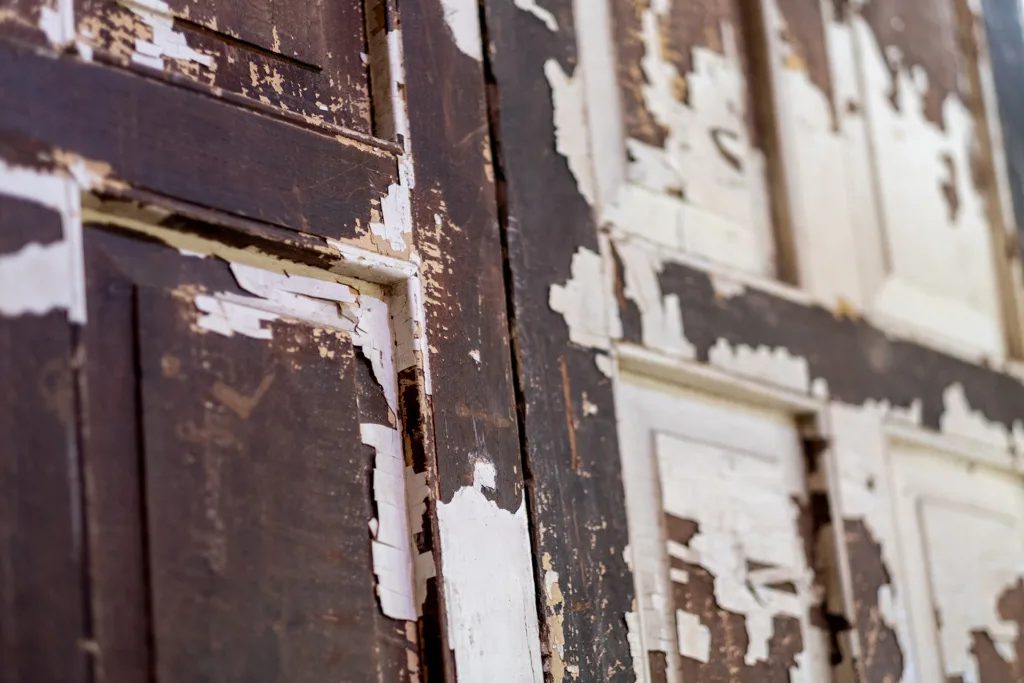
- Peeling, flaking, or blistering paint
- Fine cracks in the coating or visible splitting in the timber
- Bare patches where wood is exposed to the weather
- Dark spots, mould, or mildew growth
- Soft, spongy, or discoloured wood, which can point to moisture damage or rot
Catching these early matters. Once water reaches unprotected timber, the problem moves from cosmetic to structural, and repair costs rise.
How to Make Wood Paint Last Longer in Mauritius
A repaint is only as durable as the work behind it. A few practices help coatings reach the upper end of their expected lifespan:
- Prepare the surface properly. Sanding, cleaning, and priming create a sound base that paint can grip. Most premature failures trace back to skipped or rushed preparation.
- Use the right coatings for the climate. Premium paints, stains, and primers suited to high humidity and strong UV resist fading and moisture far better than general-purpose products.
- Inspect and clean regularly. Removing dirt, salt, and organic growth reduces the wear that breaks coatings down.
- Address moisture at the source. Fix leaks, blocked gutters, and standing water near wooden surfaces before they cause damage.
- Carry out touch-ups between repaints. Sealing small chips and cracks quickly prevents water from getting underneath the finish and spreading the damage.
These steps protect the timber, preserve appearance, and add value to the property over the long term.
Interior Versus Exterior: Different Cycles
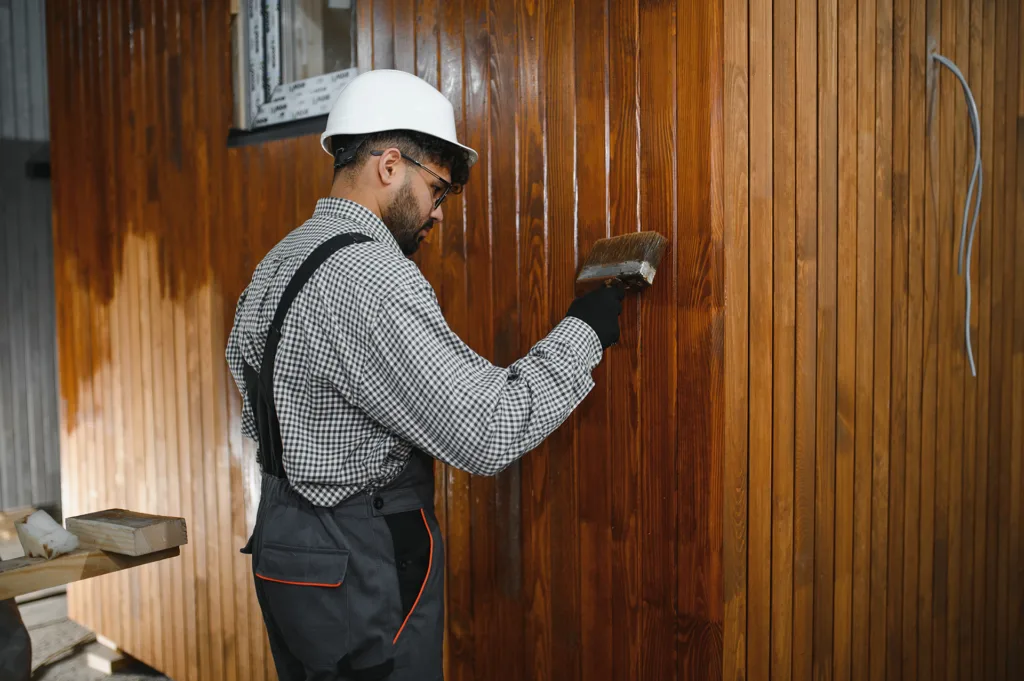
It helps to think of interior and exterior wood as two separate maintenance schedules. Exterior surfaces are on the front line and usually drive the more frequent repainting cycle. Interior wood can be planned around appearance and wear rather than weather protection, which gives more flexibility on timing. Grouping surfaces by exposure makes it easier to budget and to plan repainting in stages rather than all at once.

Frequently Asked Questions
How often should I repaint my property?
Most exterior wood benefits from repainting every 3 to 5 years, though decking and heavily exposed surfaces may need it every 2 to 4 years. Coastal and sun-facing surfaces tend to be at the shorter end of the range.
Is staining or painting better for wood in a tropical climate?
Both can work well when matched to the surface and properly maintained. Opaque paints generally offer stronger UV protection, while stains highlight the natural grain but may need refreshing more often. The right choice depends on the wood, its exposure, and the look you want.
Can I just touch up wood instead of fully repainting?
Touch-ups are useful for small chips and cracks and can delay a full repaint. Once fading, peeling, or bare patches are widespread, however, a complete repaint gives a more durable and even result.
Protect Your Wood With Professional Repainting
Repainting wood on schedule is one of the simplest ways to protect your investment against the Mauritian climate. If you are unsure whether your timber is due for attention, a professional assessment can identify the surfaces that need work now and the ones that can wait.
PND provides wood painting and general painting services for residential, commercial, and industrial properties across Mauritius, using quality coatings and thorough preparation for long-lasting results. To plan your next project, get in touch with the team.